Power, Corruption & Lies – New Order (1983)
June 27, 2025

By 1980, Joy Division had gained some serious momentum and was well on their way to achieving the type of success they had never dreamed of. Their 1979 debut, Unknown Pleasures, had gained some attention on the indie post-punk scene and landed them a gig opening for Buzzcocks – which would then lend them enough name recognition and credibility to quit their jobs and launch their own tour through Europe. And after continuing to build upon their sudden success, the band found themselves on the verge of a big break, as they were a couple months away from releasing their second album and just one day away from heading out for their first American tour. But on May 18, 1980, tragedy struck and forever altered the lives and career trajectories of all the band’s members – lead singer Ian Curtis committed suicide after months of trying to cope with his depression, a litany of chronic health issues, and an impending divorce.
Obviously reeling from the tragic death of their friend and the sudden blow to their band, the rest of Joy Division made two critical decisions – they would continue on despite the loss of Curtis and they would do so as a new band with a different name. Landing on “New Order” – which came from the title of an article in The Guardian about the People’s Republic of Kampuchea (modern day Cambodia) – the band picked up right where they left off and worked on their debut album. Using a couple pre-written Joy Division songs as their launching pad, the band decided to essentially stay in the same lane – with the notable exception that guitarist Bernard Sumner and bassist Peter Hook would now split singing duties – and released Movement in 1981. Given the fact that the band understandably hadn’t fully moved on from Joy Division (both emotionally and musically), something about their debut album just didn’t feel quite right.
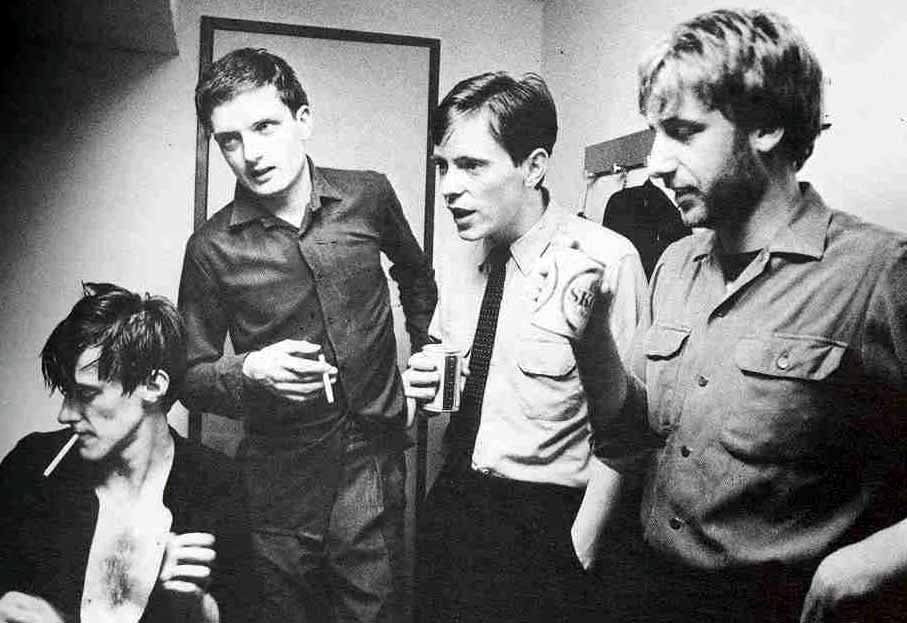
The original iteration of Joy Division
So in the midst of a creative funk, New Order decided to go to New York City, where they would spend time in clubs listening to the Italian disco of artists like Giorgio Moroder and the electronic music of bands like Kraftwerk. Newly energized and inspired by the synth-heavy dance music that they realized was helping to lift their spirits, they made a shift toward combining the gloomy post-punk music of their past with the exciting dance music they saw as their future. So in 1983, they released the dour but incredibly infectious “Blue Monday” – which would go on to become the best-selling independent 12” single of all time – and kick off a brand new era of their career that would lead to the release of Power, Corruption & Lies. And despite never quite landing with audiences in the US, the album received nearly universal critical acclaim and would chart at #4 in the UK.
The unique thing about the tracks on Power, Corruption & Lies is that you might think it was an upbeat pop record if you didn’t speak English. The synth-heavy music is danceable throughout most of the album and feels simultaneously a step above, but also in the same ballpark as, a lot of the popular new wave music being released at the time. But underneath the veneer of up-tempo synth pop are lyrics that show the darkness that these guys were living in at the time. Instead of sweet love songs and sappy breakup songs that had become commonplace in pop music, New Order’s view on relationships comes across as much more cynical and even unsettling. “The Village” begins as a story of a “love like the flowers” where “the night becomes the day,” but suddenly shows its protagonist feeling like he’s been “stuck here two years too long.” And on “Blue Monday” (which actually wasn’t on the original release, but would be added as a bonus track), Sumner describes a relationship with a narcissist where he “find[s] it so hard to say what [he] need[s] to say, but [he’s] quite sure that [she’ll] tell [him] just how [he] should feel today.” And aside from the band’s views on the dark side of love, they also show real hurt and resentment toward their late friend and lead singer for his sudden suicide. “The Village” references Curtis’ relationship issues in its outro where Sumner sings that “their love died three years ago,” and “Your Silent Face” shows their sadness over the feeling that “it’s never been quite the same” since his death.
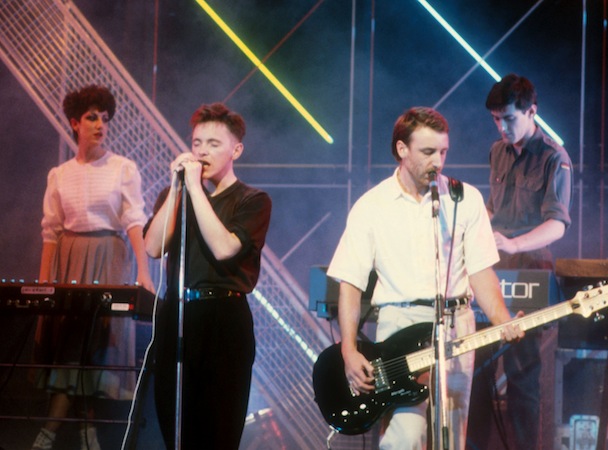
New Order is born
On top of its impeccable catalog of excellent music, a huge part of New Order’s legacy is that they were able to turn tragedy into triumph. To be able to switch gears after such a sudden, shocking moment and still capitalize on the growing momentum of their career is sort of unheard of. And even aside from the weight of the moment, they join a very small collection of bands who were able to maintain their success and relevance despite a change at lead singer. And where they are able to separate themselves from bands like Van Halen and AC/DC is that they completely reinvented their sound instead of just subbing in a new vocalist for the same band. On top of this impressive feat that was nearly unprecedented (although there may be a case for the suddenly smooth Michael McDonald-led Doobie Brothers), New Order and their incredible second album played a critical role in the evolution of dance music. They were able to usher club music away from the cheesy disco from years prior into an edgy, synth-based spin-off of punk that would have ripples for decades to come.

 80 Albums of the 80s
Leave a reply to 5150 – Van Halen (1986) – 80 Albums of the 80s Cancel reply