1999 – Prince and the Revolution (1982)
May 9, 2025
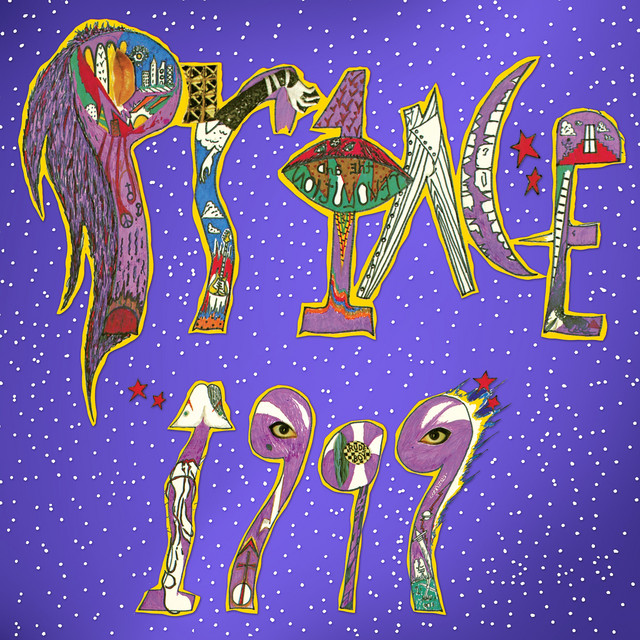
By 1982, Prince had already established himself as a promising pop artist with the release of four successful records and a number of hit songs – most notably “I Wanna Be Your Lover” in 1979. But for his fifth album, he decided to expand upon his one-man band and bring in a group of back-up singers and musicians who would become known as the Revolution. But despite the fact that he was now marketing his releases with a backing band, the exceptionally talented and egocentric Prince insisted on playing guitar, synth, bass, piano, and drums on every single track of the recording – leaving only one guitar solo for Dez Dickerson and supplemental vocal contributions for the rest of the band. The result was Nineteen Ninety-Nine, which would not only definitively demonstrate the musical genius and lasting influence of Prince, but also launch him into the highest echelons of pop superstardom and celebrity.
The album was a smash hit – peaking at #9 on the Billboard Top 200 and including three top 20 mega hits with “Little Red Corvette” (#6), “Delirious” (#8), and the title track (#12). And like so many of the most influential musical artists of the twentieth century, Prince’s superpower was the ability to combine existing genres in a way that took the best pieces from them while also creating something that sounded completely new. By mixing the well established components of funk, R&B, new wave, mainstream rock, and synth pop, Prince became an early pioneer and flag-bearer for the Minneapolis sound that had first gained popularity with Lipps Inc.’s 1980 all-time classic, “Funkytown.” And in addition to perfecting this sound and influencing other major R&B and pop artists of the 1980s, Prince’s legacy would live on and inspire genres like techno and house music that are still wildly popular in today’s music landscape.
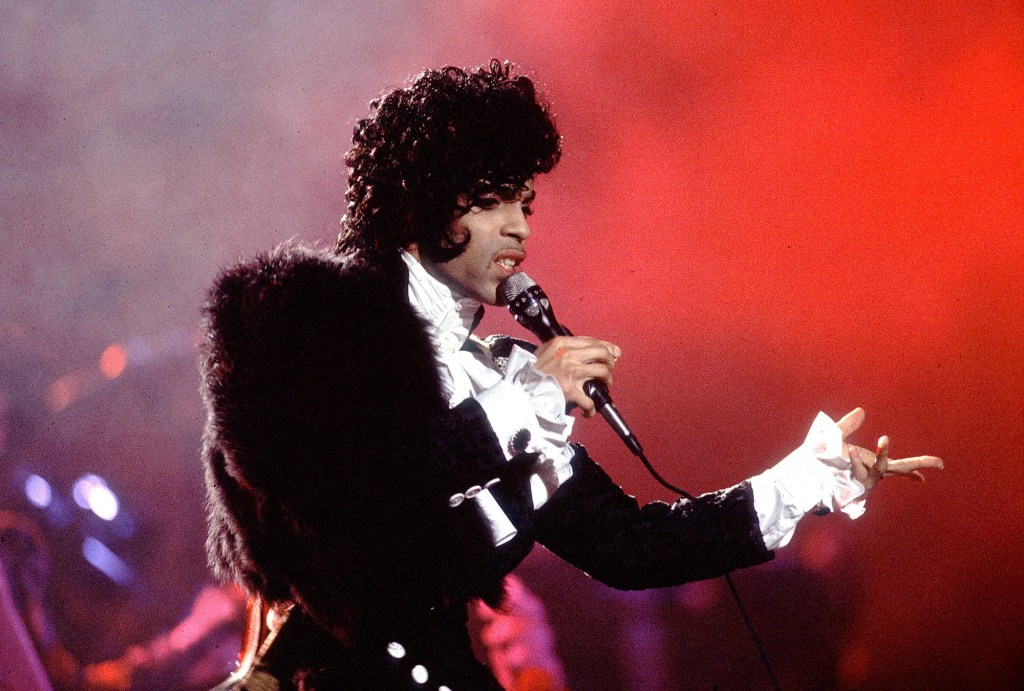
Prince being Prince
One of the hallmarks of Prince’s lyrics was always a focus on graphic sexual references and metaphors, and Nineteen Ninety-Nine is no exception. “Little Red Corvette” is a pretty obvious reference to his own little red corvette, and Prince presents another car-themed metaphor for sexuality in “Delirious” with “Girl, you gotta take control ’cause I just can’t steer. You’re just too much to take. I can’t stop, I ain’t got no brakes. Girl, you got to take me for a little ride up and down, in and out, and around your lake.” The music video for the bondage-themed “Automatic” was banned from MTV because it featured Prince being tied up and whipped by his female bandmates, and “Let’s Pretend We’re Married” includes the lyric, “I sincerely wanna fuck the taste out of your mouth,” which was way beyond the line of social acceptability in the pop music scene of the early 80s. The latter also presents a fascinating look into the psychology of Prince – who was extremely religious throughout his entire life – and includes him professing that he is “in love with God.”
Aside from all the sex (and I cannot stress enough just how much of it there is over the course of this double album), Prince does incorporate some of his thoughts on politics and society with the Cold War-inspired title track about partying before the nuclear apocalypse, as well as “Lady Cab Driver,” during which he references economic and societal injustices, war, discrimination, and greed. He also gets introspective on the failed romances of his past with “Something in the Water (Does Not Compute),” which would prove to be a catalyst for many of the Computer Age themes that would become increasingly prevalent in his future releases.

Prince and the Revolution in a promotional photo for Nineteen Ninety-Nine
Prince would end up being one of the most innovative, influential, and successful artists of the decade, and with Nineteen Ninety-Nine, he was able to create a masterpiece album that at once feels extremely reflective of the 1980s, while also sounding completely ahead of its time. In many ways, the title itself would prove to be even more prescient than Prince probably realized, as that year would end up as the peak of the dot-com bubble and the beginning of the shift from the decadence of the late twentieth century into the chaos of the early twenty-first. His lyrical focus on the future meshes perfectly with his experimentation with cutting-edge synthesizer and drum machine technology, and demonstrates just how critical he would prove to be in the evolution of music over the next decade and beyond. And in some ways, it’s sort of stunning that this horny, little guy would prove to be one of the great musical minds of the century and one of the true icons of the era. His long list of contradictions – highly sexual, but deeply religious; fearful of nuclear apocalypse, but obsessed with new technology; surrounded by others, but incredibly lonely – made him as fascinating as he was gifted. His unmatched talent, distinct public image, and mononymous name have lived on past his untimely death, and it’s hard to imagine them fading any time soon.


Leave a Reply