If That’s What It Takes – Michael McDonald (1982)
May 16, 2025

Before becoming both a household name and one of the most recognizable voices of all time, Michael McDonald played the role of the ultimate musical utility man. McDonald kicked off his career as a touring member of Steely Dan in 1973, and like so many of the great musical artists – he knew exactly what he was good at. He would later admit, “I got the gig, not because of my keyboard playing, but because I could sing all the high parts. I could tell that appealed to Donald (Fagen) – ’cause I could sing like a girl.” He would take the opportunity and run with it, becoming a frequent collaborator with Steely Dan and lending his backing vocals on some of their most iconic songs – most famously “Peg” on their 1977 magnum opus, Aja. And in the midst of his work with Fagen and Walter Becker, McDonald would get the biggest break of his career when he was recruited by the Doobie Brothers after their original lead singer, Tom Johnston, got sick during a national tour in 1975.
Not only did McDonald fill the void left by Johnston, but he actually made the band even more successful than they already were. Upon adding him to the mix, two of their next three albums became top ten hits and transformed the band into one of the biggest pop acts in the world. 1976’s Takin’ It to the Streets would peak at #8 on the Billboard 200, and 1978’s Minute By Minute would reach #1 and include their biggest hit and signature song, “What a Fool Believes.” And aside from the growing success of his new band, McDonald continued to light it up as a featured voice on the recordings of many of the other big names in pop music, including Kenny Loggins’ “This Is It” (1979), Christopher Cross’ “Ride Like the Wind” (1979), and Nicolette Larson’s “Let Me Go, Love” (1979). Michael McDonald was truly everywhere, and as is often the case with talented frontmen, his growing success caused the band to grow apart. He and guitarist Jeff “Skunk” Baxter (who he had known dating back to his years working with Steely Dan), shared very different views on the band’s direction – McDonald favored the smooth, polished sound that would later come to define the Yacht Rock genre, while Baxter favored guitar-centric songs and a more avant-garde approach to songwriting. But after months of tension, Baxter and drummer John Hartman would leave the band, and the remaining members would release 1980’s One Step Closer, which felt like more of a McDonald solo project than a Doobie Brothers album and would end up being their last release until 1989.
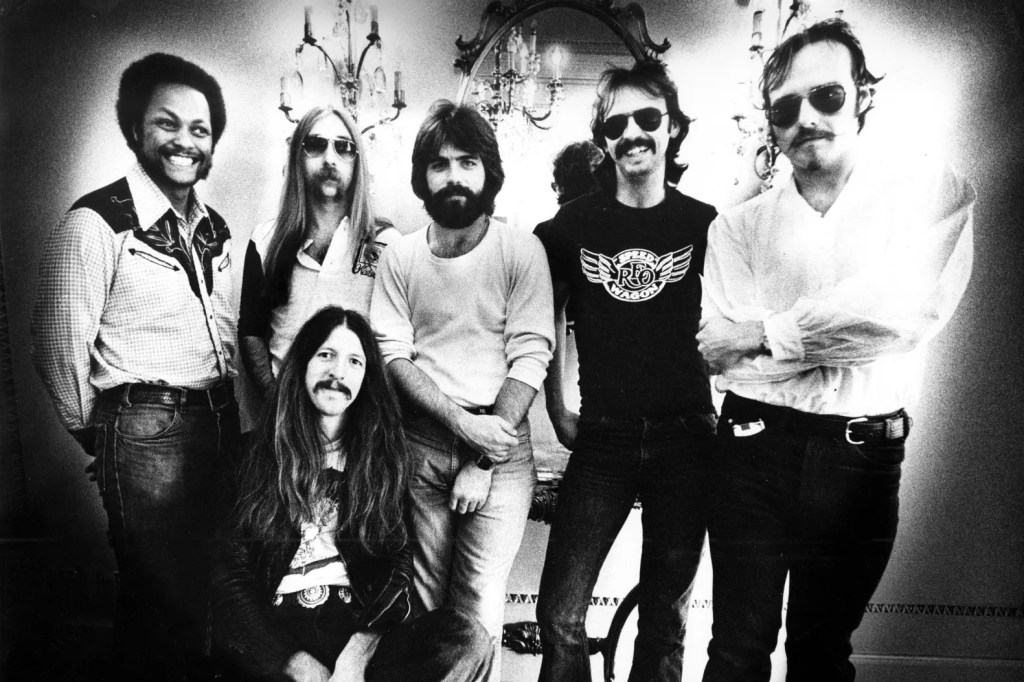
McDonald with the Doobie Brothers
So after nearly a decade as a collaborator and a band member, it was finally McDonald’s moment to get the spotlight to himself and pursue the solo career he had always wanted. Bringing in former collaborators like Loggins and Cross, as well as Steely Dan studio stalwarts like Jeff Porcaro and Steve Gadd, McDonald immediately began recording his 1982 debut, If That’s What It Takes. His bet on himself would end up paying off, with the album going on to peak at #6 on the charts and include his biggest hit, “I Keep Forgettin’ (Every Time You’re Near)” – which would reach #4 as a single.
I have no idea who hurt poor Michael, but the entire album is filled with tales of lost love and unfaithful partners. His smoky, soulful voice is the most notable instrument throughout the record, and he masterfully uses it in conjunction with his skills as a keyboardist. McDonald is at his best on his collaboration with Loggins, “I Gotta Try,” as well as on the aforementioned “I Keep Forgettin’” – which is remembered for its infectious bassline and lasting legacy as the sample on Warren G and Nate Dogg’s 1994 hit, “Regulate.”
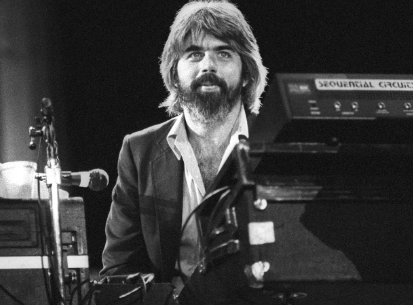
Mike goes solo
Michael McDonald was unquestionably the King Midas of his era. It didn’t matter if he was a back-up singer, the co-vocalist on a duet, or the frontman for a rock band – this man could not miss, and everything he touched became better because of it. If That’s What It Takes was the culmination of a decade of collaboration, and finally gave him the opportunity to be “the guy.” The beauty of McDonald is that despite the fact that he is pretty clearly a one-trick pony, he is extremely aware of his one trick and knows exactly how to deploy it. The egos of so many pop stars get in the way of them giving the people exactly what they want, but old Mike used his golden voice for all that it was worth. He has become more than just a singer and successful musical artist, and has now reached legend status to the point of affectionate parody. More so than any of his peers, Michael McDonald has lived on as a character and a singular voice for that entire era of smooth, yachty greatness. And while guys like Kenny Loggins and Christopher Cross had very successful careers and many hit songs, they’ve mostly found themselves swept into the dustbin of history. But everyone knows Michael McDonald – even if not by name, certainly by voice – and he will continuously live on as not just a fantastic singer, but one of the great vocal instrumentalists.

 80 Albums of the 80s
Leave a reply to 1984 – Van Halen (1984) – 80 Albums of the 80s Cancel reply