East Side Story – Squeeze (1981)
March 21, 2025

The only way I can really describe the beginning of the Squeeze discography is sort of all over the place. In 1978, they released their self-titled debut, which honestly sounds completely different from anything else that they would release from there on out. The John Cale-produced record had elements of hard rock and punk, and didn’t find much commercial success. From there, the band switched over to more of a new wave sound in an effort to try to gain some popularity – releasing Cool for Cats in 1979 and Argybargy in 1980 – and suddenly found themselves developing a following in the UK. But despite their sudden success, Glenn Tilbrook and Chris Difford – the band’s primary guitarists, vocalists, and songwriters – decided they wanted to once again take Squeeze in a new direction and move away from the new wave sound that had put them on the map.
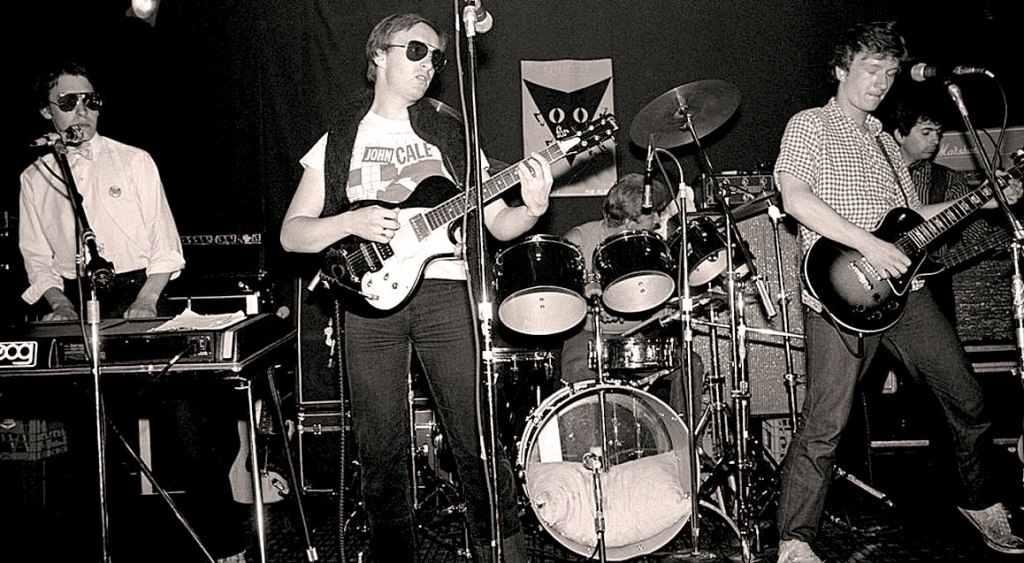
Squeeze performs in New York City
On top of the fact that Tilbrook and Difford wanted to change things up musically – the band’s original keyboardist decided to leave and pursue a solo career, opening the door for former Roxy Music and Ace member Paul Carrack to fill in and bring some additional juice to the already very talented duo. Given that they now had two successful records in the UK and had added a little bit of extra star power, Squeeze was able to shoot for something a little more ambitious. Their initial plan was to make a double album with four of the preeminent faces of 70s pop rock – Paul McCartney, Elvis Costello, Dave Edmunds, and Nick Lowe – each producing their own respective side of the two records. Unfortunately for the band (and frankly for music fans), scheduling conflicts prevented them from being able to pull it off, and Squeeze instead decided to bring in Costello and Roger Béchirian (who had success producing several new wave records of the late 70s) as co-producers of East Side Story. In their departure from the musical direction of their prior records, Squeeze aimed to bring together a lot of different genres – including R&B, blue-eyed soul, and rockabilly – that at once gave them a unique sound but also perfectly fit in with many of the other popular releases of the era.
Tilbrook and Difford bring the clever wordplay and strong lyrics from past releases and combine them with a collection of songs that at times differ in genre and feel, but still feel like part of a cohesive unit. The duo includes some catchy pure pop moments that include “In Quintessence,” “Piccadilly,” and “Someone Else’s Bell,” while also incorporating some excellent true rock songs like their two bass-infused bangers, “Someone Else’s Heart” and “Heaven.” Throughout, the album’s lyrics tend to focus on ordinary people who struggle with relationship issues and substance abuse – most successfully combined on their homage to country ballads, “Labeled With Loved.” The duo shows off their skillful lyricism and knack for album construction by having it abruptly begin after the final lyrics of “F-Hole” where Tilbrook sings, “I learnt to play her favorite country songs, with one or two chords always going wrong.” But the record’s high point (and also the band’s, it would turnout) is “Tempted,” which is by far the most recognizable Squeeze release. And what makes its success so interesting (and likely difficult for Tilbrook and Difford) is that it’s the only song that neither of them sing lead vocals on. Instead, Squeeze’s biggest hit features the voice of their newest member, Carrack, who would leave the band one year after joining to pursue his own solo projects.
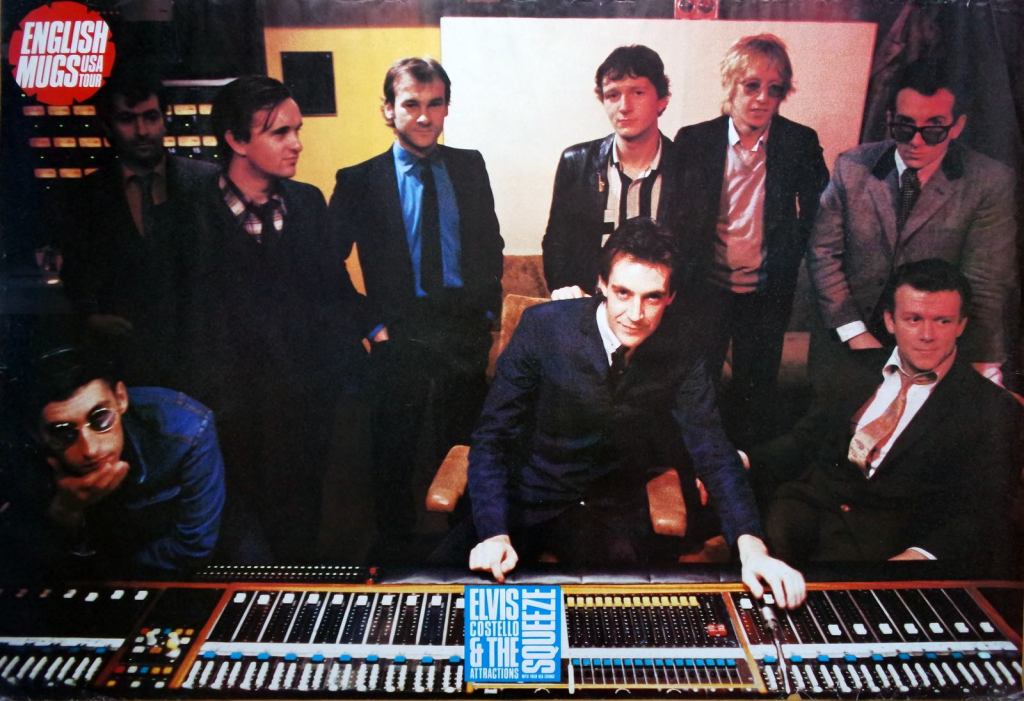
Promotional poster for Squeeze’s tour with Elvis Costello in ’81
Overall, East Side Story is a fantastic pop rock album – no doubt a credit to Squeeze’s masterful melodies, catchy choruses, and lyrical excellence. The two comparisons I always find myself making when I listen to this album are the album’s actual co-producer, Costello, and the man who almost co-produced it, McCartney. The question I can’t help but ask is – why wasn’t Squeeze more successful? Despite the similarities to these legends and the fact that they actually worked directly with one of them, the band would never come close to matching either singer’s success or name recognition. Even more disheartening is the fact that they have gone on to be seen as a one-hit wonder for a track that neither of the main band members even sang on. And a perfect demonstration of this can be seen from my own experience. Back in 2021, I went to see Hall & Oates with a friend and noticed that the opening band was Squeeze – who at the time I had never heard of or paid the smallest bit of attention to. When I asked if he had ever heard of them, his response was, “They’re the guys that did ‘tempted by the fruit of another.’” And what’s unfortunate is that’s exactly who they’re always going to be to most people. It makes me wonder why there are those bands who, despite having talent and a collection of songs that you could totally picture playing on the radio, just never really pop. It goes to show that the music industry isn’t and never has been a meritocracy – because if it were, Squeeze’s legacy would be a hell of a lot greater than just “the guys who did ‘tempted by the fruit of another.’”

 80 Albums of the 80s
Leave a reply to Swoon – Prefab Sprout (1984) – 80 Albums of the 80s Cancel reply