Ghost in the Machine – The Police (1981)
March 14, 2025

After the success of Zenyatta Mondatta in 1980, Sting wanted to take the Police in a new, more complex, more ambitious direction. Their first three albums had successfully combined reggae influences with post-punk, creating a simple, but distinct sound that can be credited to the fact that the band was a true trio of guitar, bass, and drums. But as we so often see, the combination of success and a front man’s ego can take bands in new directions that stray from their original intention (and often the wishes of the rest of the group).
For Ghost in the Machine, the band decided to move away from producer Nigel Gray in favor of Hugh Padgham, who had helped to create the prominent drum sound featured on Peter Gabriel 3 and Phil Collins’ Face Value. Aside from the more heavy-handed production, this would be the first album where the Police had introduced heavy doses of synths and sax (played, of course, by Sting), leading to a new sound that was simultaneously richer and more complex, but also a departure from the sound they had become known for up to that point. Guitarist Andy Summers and drummer Stewart Copeland – who had already seen their songwriting influence essentially vanish after 1979’s Reggatta de Blanc – thought the group was getting away from what made them good in the first place, and essentially felt that they had been relegated to being the backing band for a Sting solo project. Summers would later say that he was “disappointed with the musical direction around the time of Ghost in the Machine. With the horns and synth coming in, the fantastic raw-trio feel – all the really creative and dynamic stuff – was being lost. We were ending up backing a singer doing his pop songs.”
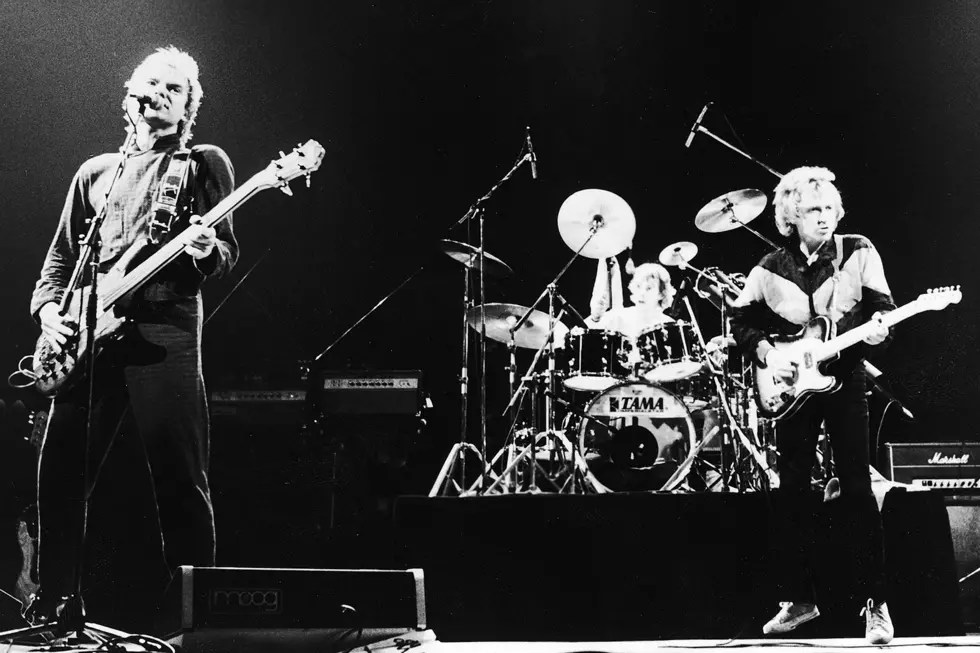
The Police play their first live show in ’77
Despite the fact that there were sour grapes and bruised egos within the band, the final product ended up being both a critical and commercial success – with the album peaking at #2 on the Billboard 200 and “Every Little Thing She Does Is Magic,” “Spirits in the Material World,” and “Secret Journey” all charting as singles (#3, #11, and #46, respectively). In addition to the fact that the album expands and improves upon the original musical formula of prior releases, the heady lyrical content shows a lot of rage toward the political, military, and societal issues of the time. The title of the album itself is a reference to Arthur Koestler’s 1967 book of the same name, which explores the relationship between the human mind and body, and dives into the reasons behind humanity’s self-destructive tendencies. Summers would say in retrospect that it was the perfect title for the record given the dysfunction within the band as well as his own personal problems at the time.
The lead track of the album, “Spirits in the Material World,” very much encapsulates the overall theme of the album, with clear references to human spirituality and the futility of looking for political answers to our problems or following the lead of “our so-called leaders.” One of the stronger songs on the record, “Invisible Sun,” is Sting’s commentary on the imprisonment of members of the IRA in Northern Ireland and the 1981 Irish hunger strike. The lyrics point to his belief that even during the horrors of war, we have no choice but to look toward the light at the end of the tunnel, even if it may seem out of sight at that moment. “Rehumanize Yourself” takes on the growing anti-immigrant sentiment in the UK made popular by the fascist National Front party; “Too Much Information” digs into the disorienting, overwhelming effects of early globalization in the 1980s; and “One World (Not Three)” is a play on words in reference to third-world nations that makes prescient note of incoming climate change and the fact that “we’re all in the same big boat.” And despite Sting’s songwriting dominance throughout the album, the two other band members make strong contributions as well. The label actually wanted Summers’ “Omegaman” to be the lead single off the album, but the idea was vetoed by Sting (because of course it was). And Copeland’s “Darkness,” which is about his dissatisfaction with all that comes with fame, is not only my favorite on the album, but also the entire Police discography.
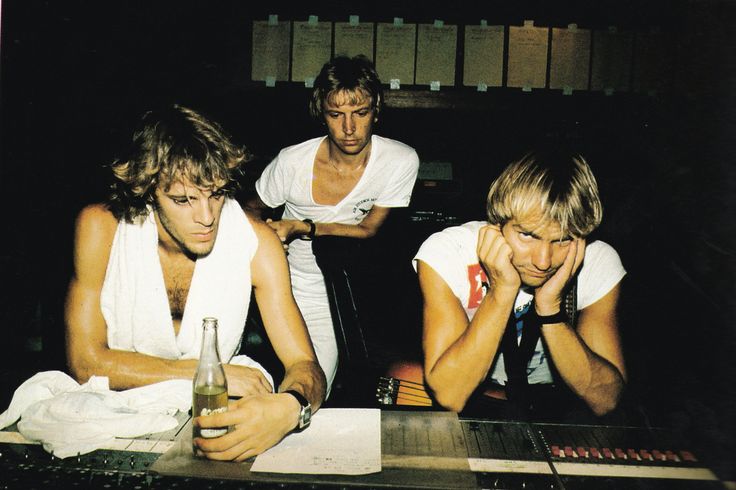
The Police recording Ghost in the Machine in the studio
To me, Ghost in the Machine reflects the high point of Sting and the Police. I very much enjoy the simplicity of the early records and respect the fact that there is a definite skill in being able to produce such high quality music with only three instruments. But I do also feel like the best musicians don’t just make the same record again and again and again. Despite the fact that he did it in an obnoxious, unfair way, Emperor Sting’s inclinations were actually correct. The fuller sound of adding additional layers and instruments is a plus that shows just how good this band actually was. Where the album – and later Sting as a solo artist – falls short is with the sappy pop songs like “Every Little Thing She Does Is Magic” (which the rest of the band despised). That song would become emblematic of where Sting was going and a clear indication that Ghost in the Machine would be his last great work. With that said, there’s no denying that this album is indeed excellent, and might possibly be the best and most complete work of his entire career.

 80 Albums of the 80s
Leave a reply to Brothers in Arms – Dire Straits (1985) – 80 Albums of the 80s Cancel reply