Sacred Songs – Daryl Hall (1980)
December 27, 2024
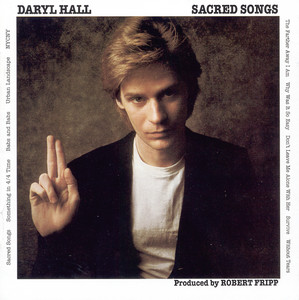
By 1977, Hall & Oates had released a handful of hits – most notably “She’s Gone” in 1974, “Sara Smile” in 1976, and “Rich Girl” in 1977 – but had not yet reached the pinnacle of their popularity that would come in the next decade. And on top of the fact that the duo’s success hadn’t quite reached the level they had hoped after half a decade’s worth of releases, Daryl Hall found himself feeling increasingly constrained by the artistic limitations of pop music. He was tired of putting all of his energy into the thankless task of endlessly trying to score hit records and wanted to focus on writing music that was more true to him and his outlook on life.
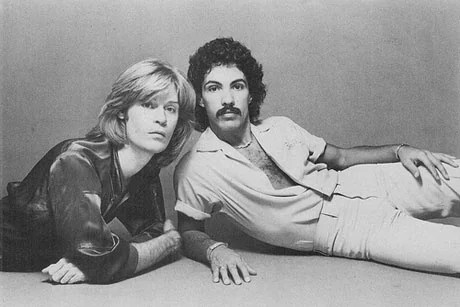
Daryl Hall and John Oates in the early days of their prolific run
Meanwhile, Robert Fripp had spent the last three years as a studio contributor after dissolving King Crimson in 1974. He had contributed as both a guitarist and producer for several of Brian Eno’s early solo records, as well as Peter Gabriel’s debut album, and found his niche as a successful collaborator on the more experimental releases of well-known artists. So when the two met and shared instant chemistry, they decided that they should work together on a record that would be both Hall’s solo debut and one piece of a Fripp trilogy that would also include Peter Gabriel 2: Scratch in 1978 and his own record, Exposure, in 1979.
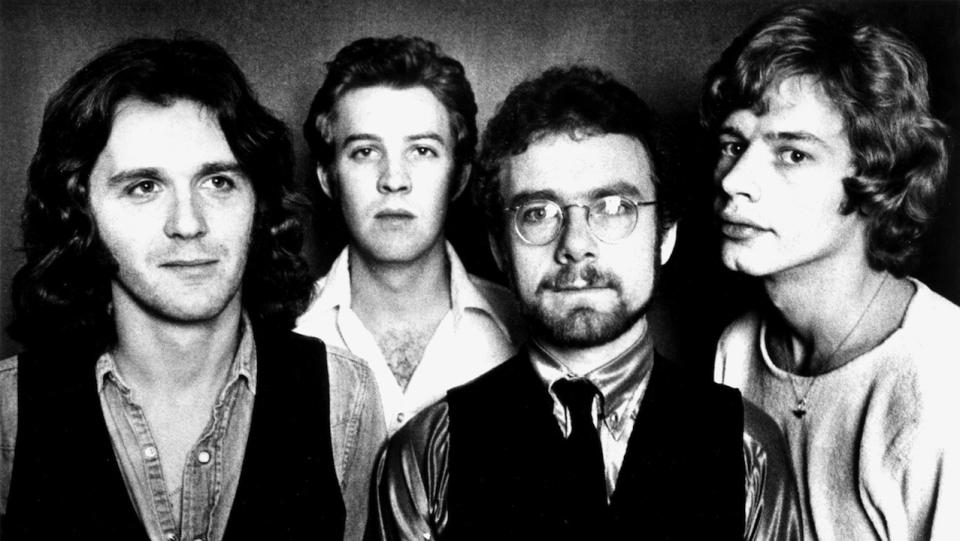
Robert Fripp with the original iteration of King Crimson
The duo would hit the studio and begin recording Sacred Songs with Hall taking on the lead vocals, keyboards, and most of the songwriting, and Fripp focusing on production and lead guitar. Hall was also adamant that he choose his own band, as he felt like many of the major Los Angeles studio musicians of the time were lacking the emotional investment in the music they were playing, and selected a trio that had worked with Elton John in the past. As intended, the music that Hall and Fripp were recording leaned more avant-garde than the music that had become expected during his partnership with John Oates, and Hall centered a lot of his songwriting around mysticism and specifically the ideas of Aleister Crowley. But unsurprisingly, RCA Records was absolutely horrified by the output – which had strayed far from what they expected with a Daryl Hall solo project – and they decided to scrap the release of the album and designate it to the dustbin of history.
For three years, the recording went unheard until Fripp and Hall decided to take matters into their own hands, and they began to pass on tapes to radio DJs and music journalists in an attempt to get their album released. Finally, after a successful grassroots letter-writing campaign by Hall’s biggest fans, RCA ultimately caved and allowed the record to be released in March of 1980. Despite the fact that the record execs had written it off as not being commercially viable, Sacred Songs would peak at #58 on the Billboard pop charts – which while nowhere near as successful as the most popular Hall & Oates records, is still extremely impressive given the nature of the music. And for a brief moment after their surprising success, Fripp considered bringing Hall in to lead his new iteration of King Crimson, but ultimately went with Adrien Belew, who had risen to prominence for his collaborations with David Bowie, Frank Zappa, and Talking Heads. Hall would instead continue his pop career with Oates, reaching the highest of highs of commercial success throughout the rest of the 1980s.
Robert Fripp, Gilda Radner, and Daryl Hall
Daryl Hall is an interesting case of a guy who had a fantastic career and reached levels of success that most can only dream of, but may have been capable of something a little more gratifying. Fripp has since described him as being the best all-around singer that he ever encountered and claimed that he could have bolstered his reputation as an innovator and an artist akin to someone like David Bowie had Sacred Songs come out during the peak of art rock’s popularity in the 1970s. In some ways, there is a part of me that feels disappointed that we never got to experience more of an experimental, artsy Daryl Hall career arc. But at the same time, I don’t particularly enjoy the thought of a world where classic 80s pop mega-hits like “Private Eyes,” “Out of Touch,” “Maneater,” and “I Can’t Go For That (No Can Do)” don’t exist – because if we’re being honest, that sounds like a very sad world. Instead, I can at least take some satisfaction knowing that despite the jokes about the cheesy 80s period for old Daryl, he proved on this one album that he had more to offer than he really ever got credit for.

 80 Albums of the 80s
Leave a reply to Healing – Todd Rundgren (1981) – 80 Albums of the 80s Cancel reply