Terminal Jive – Sparks (1980)
December 6, 2024
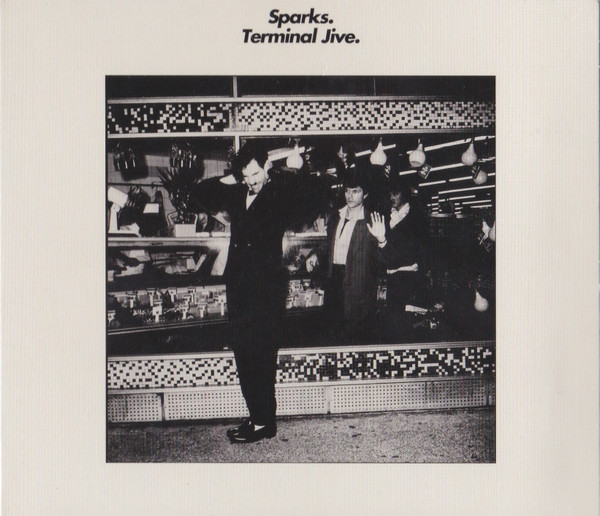
After 1977’s Introducing Sparks, Russell and Ron Mael had grown tired of re-creating the same traditional rock records that they had been recording since their self-titled debut in 1971. The brothers had also become intrigued by the emerging disco and new wave influence on pop music, and saw themselves at an inflection point in their career. And then as chance would have it, they were having a conversation with a German journalist and happened to mention their love and admiration for Italo disco icon Giorgio Moroder, only to discover that the journalist happened to be friends with the legendary producer. Through this connection, Sparks partnered with Moroder on what would become a critical shift in their sound for their next two albums.
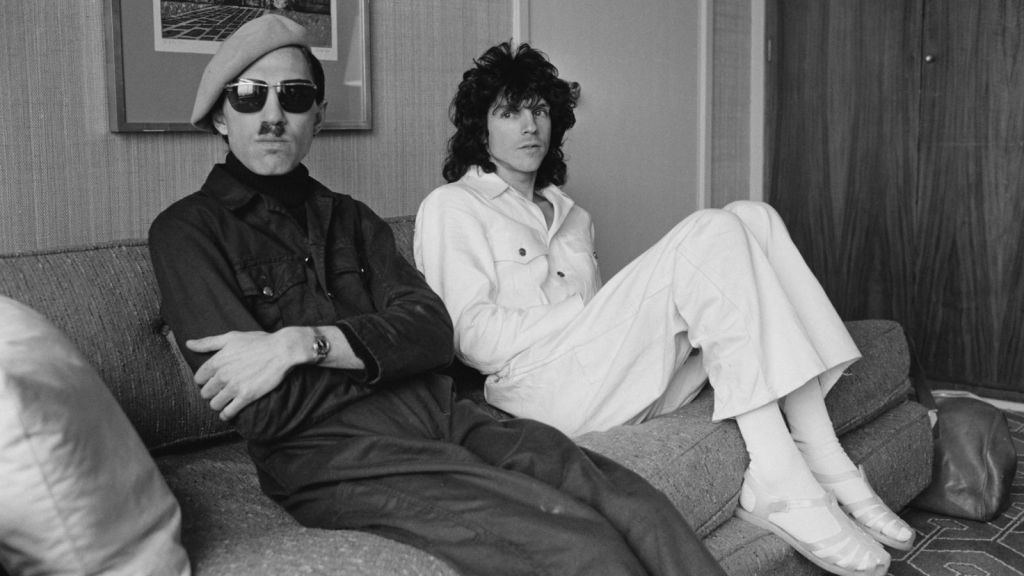
The eccentric Mael brothers in the mid-70s
In 1979, Moroder produced Sparks’ No. 1 in Heaven, which would end up being a polarizing, but ultimately successful album. Despite producing their first hit since 1975 with “The Number One Song in Heaven,” critics gave the record overwhelmingly negative reviews, likely due to the prevalent anti-disco sentiment that ran rampant at the time due to its increasing popularity. However, it has since had its reputation restored and has been rightly given credit as influential to the entire decade that followed – with even Joy Division citing “Number One Song in Heaven” as a major influence on “Love Will Tear Us Apart.” So in 1980, Sparks and Moroder doubled down on the band’s direction with their follow up, Terminal Jive. Despite having a similarly Moroder feel to it, Terminal Jive edges a little bit closer to new wave than it does to disco given the re-emergence of electric guitars throughout the record. The lyrics and overall sound also come off as a bit more accessible to mainstream audiences, and the album generally feels like less of an experimental art project. But despite that, the album surprisingly ended up being a complete flop – it wasn’t even released in the US and was a commercial failure in the UK (though it did have some minor success in France and Australia).
The album’s centerpiece is undoubtedly “When I’m With You,” which when combined with the instrumental version that appears at the end of Side A, comprises nearly a third of the entire album. Not only does the song perfectly capture the disco genre at its absolute best, but it also shows the Mael brothers’ self-awareness when Russell points out that “it’s the break in the song when I should say something special. But the pressure is on, and I can’t make up nothing special.” And this isn’t the only time that the duo pokes fun at themselves – “Rock ‘n’ Roll People in a Disco World” parodies (and also embraces) disco’s chorus-heavy nature by repeating its title twenty-five times, with only two short verses mixed in-between. The album also shines with the fitting back-to-back of “Young Girls” and “Noisy Boys” on Side B – with the former making a real case to join “Everyone’s Gone to the Movies” in the Good Songs With Creepy Lyrics Hall of Fame. And the album’s final track, “The Greatest Show on Earth,” feels most true to the hallmark Moroder sound while still incorporating the uniqueness of Sparks in the vocals.
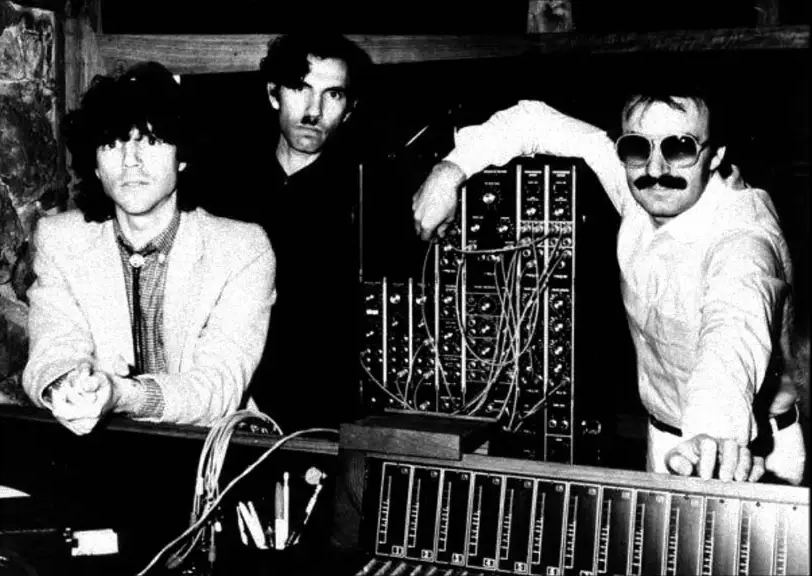
Sparks with Giorgio Moroder in the studio
Ultimately, I find myself a little bit stunned that this album wasn’t a bigger hit. “When I’m With You” has an infectious sound and catchy chorus that screams “hit single,” and Moroder’s influence had been felt on the pop charts for years at this point. Maybe it was poorly marketed. Maybe Russell Mael’s falsetto was too out-of-step with that era’s popular music. Maybe the whole vibe of the eccentric brothers just wasn’t what mainstream audiences pictured as the poster boys of pop stardom. Whatever the reason, I don’t think this album – and particularly “When I’m With You” – get the proper recognition they deserve. Both No. 1 in Heaven and Terminal Jive achieve the rare feat of creating fun, danceable disco while maintaining a distinct sound, which make them feel separate from and more interesting than some of the more cookie-cutter hits that were released in the era.
Sparks has always been a band with a very dedicated and very loyal cult following, and I highly doubt that many of them would call this their favorite record. But for me – who is admittedly Sparks-curious at best – the Mael brothers are at their best when they pair with Moroder, and Disco Sparks will always be my favorite Sparks.

 80 Albums of the 80s
Leave a reply to Healing – Todd Rundgren (1981) – 80 Albums of the 80s Cancel reply