Sandinista! – The Clash (1980)
November 1, 2024

In 1980, the Clash had hit the highest of highs. Coming off of their 1979 magnum opus, London Calling, “The Only Band That Matters” had received loads of critical acclaim and become wildly popular in both the UK and the US. And not only had London Calling been a way larger success than anyone could have imagined, the Clash had done it their way. CBS Records had claimed that they were skeptical of the idea of releasing a double album, largely due to fears that it would make the record unmarketable. Aside from the fact that their flawed premise essentially boiled down to thinking that music fans would want less music, they would reveal their hypocrisy by releasing Bruce Springsteen’s double album, The River, less than a year later. And as one might imagine, the Clash were as petty as they were self-righteous (and I mean that as the highest compliment), and decided out of pure spite that their follow-up should be a triple album.
On its face, the concept behind Sandinista! sounds like a really, really bad idea. The Clash had become one of the biggest bands in the world and decided that their next move would be to release a two and a half hour triple album that would tackle capitalism, geo-political conflicts, and just about any and all societal issues that pissed them off. It would also stray from the familiar punk and mainstream rock sounds that had comprised their prior albums, and instead feature a blend reggae, funk, hip-hop, jazz, R&B, disco, rockabilly, and honestly just about every other genre of music under the sun. Aside from the commercial concerns that came with trying to market a two and a half hour anti-war, pro-Marxism musical manifesto, the concept had big time Icarus vibes and could have gone terribly wrong if not executed absolutely flawlessly. But fortunately, the Clash were able to do just that, with the album charting in the top 25 in both the US and the UK. And in addition to proving their doubters wrong, you have no choice but to give the Clash credit for walking the walk and not just talking the talk when it came to their leftist ideals. To ensure that the album was sold at an affordable price that was accessible to anyone who wanted it, the band agreed to forego royalties on the first 200K copies sold in the US and take a 50% cut in royalties globally.
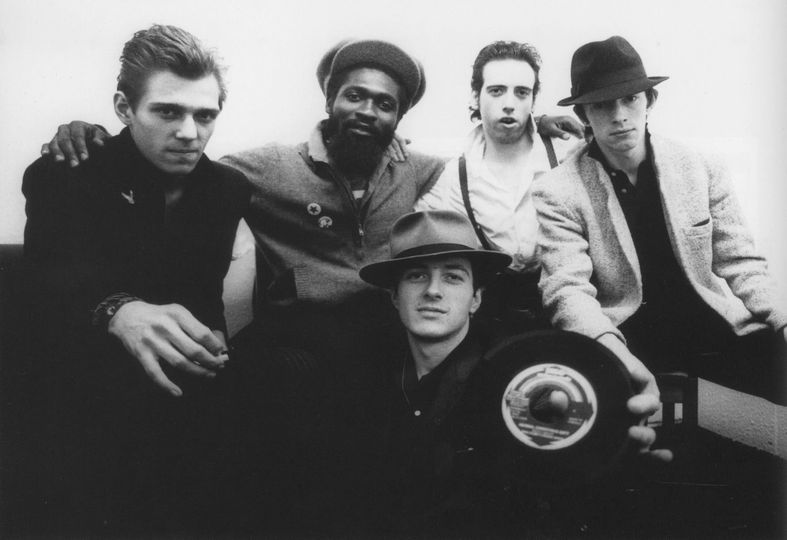
The Clash with Mikey Dread
As the title makes clear, the Clash went with even more overtly political themes than they had on prior records. The Sandinista National Liberation Front was a left-wing party in Nicaragua that had not only resisted US occupation in the 1930s, but had successfully overthrown their oppressive right wing dictator a year prior to the album’s release. Throughout the record, there are loads of geo-political references that are most prominent and most poignant on the album’s two best tracks. “Washington Bullets” is an upbeat, xylophone-based masterpiece that tackles the battles between left and right taking place in Chile, Nicaragua, and Cuba, as well as the violence in Jamaica that largely stemmed from weapons that had been supplied to drug lords by the US government. The Clash also notably criticize the self-proclaimed Marxist governments in China and the Soviet Union, who demonstrated the same imperialist tendencies as the West with their respective occupations of Tibet and Afghanistan. Later on the album comes “Charlie Don’t Surf,” which pays direct homage to the infamous Robert Duvall line in Apocalypse Now and compares Vietnam with the continuing proxy wars and revolutions pitting left against right across the globe decades later.
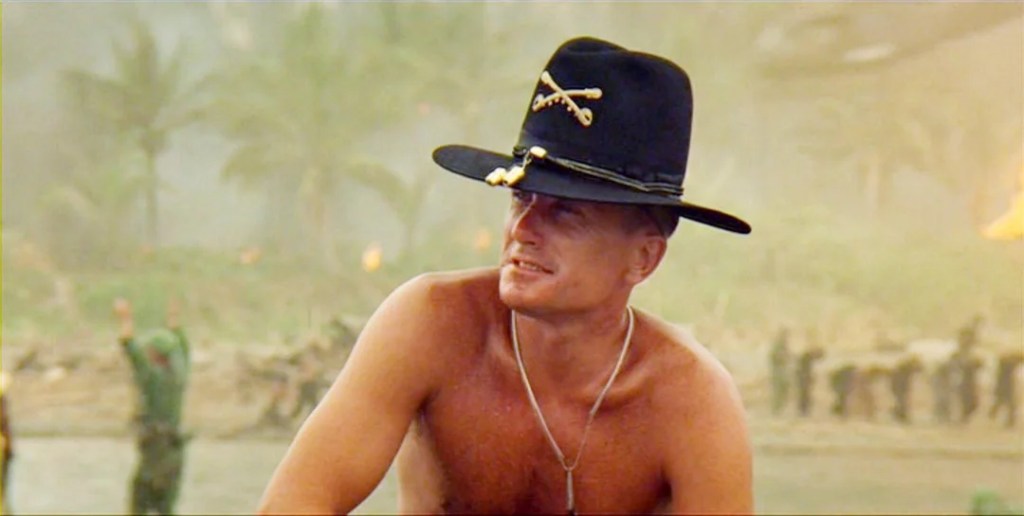
“Charlie don’t surf!”
Sandinista! also features a number of tracks that take aim at capitalism more broadly – “Magnificent Seven” takes the listener through a supermarket employee’s seven-hour shift, “Hitsville UK” celebrates the increasingly popular British indie music scene and its ongoing triumph over the greed of record execs at the major labels, and “Up In Heaven (Not Only Here)” details the living conditions of public housing in England. And in addition to the thematic successes of the album, the Clash incorporated a lot of excellent reggae and dub into their music that doesn’t feel appropriated or co-opted, likely due to the heavy impact of influential Jamaican musician Mikey Dread on the album. Dread’s presence is felt significantly throughout the record, as he not only provides lead vocals on multiple tracks, but also contributes dub versions of several songs that re-appear later on in the album.
To me, this album can’t be viewed as anything other than an incredible artistic and intellectual achievement. It literally answers the question of, “What if a band made a triple album that tastefully incorporated nearly every genre of popular music into their own unique sound while also serving as rich political text that explained Marxist ideas to regular people in an accessible, entertaining way?” Anyone who derides the album as being too long or too political (which were two very popular takes among music critics at the time) is frankly a moron. This album is as musically innovative as it is thematically prescient, and will only continue to get better with age. Despite all the flowers that London Calling receives (and rightfully so), this album is what the Clash is all about. “The Only Band That Matters” wasn’t an exaggeration or overstatement – these guys were the real deal, and this album proves it again and again for two and a half hours straight.

 80 Albums of the 80s
Leave a reply to Rebel Yell – Billy Idol (1983) – 80 Albums of the 80s Cancel reply