Scary Monsters (and Super Creeps) – David Bowie (1980)
October 4, 2024
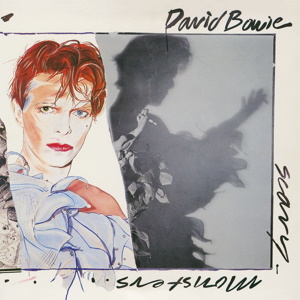
A 33-year-old David Bowie entered the new decade angry, exhausted, and in the depths of alcohol and cocaine addiction. Coming off of an exceptional run of 70s classics, including Hunky Dory (1971), The Rise and Fall of Ziggy Stardust and the Spiders from Mars (1972), Young Americans (1975), and most recently his Berlin Trilogy collaboration with Brian Eno and Tony Visconti. But despite the artistic and critical success of all those records, Bowie had seen a dip in his commercial success and looked on with resentment as some of the biggest new wave acts of the time stepped into the limelight of pop music. And in particular, Bowie took issue with the success of Gary Numan, who he viewed as an imitator of his eccentric personality and unique sound.
So with Scary Monsters (and Super Creeps), Bowie aimed to re-enter the spotlight as one of the biggest pop stars of the era, and much like many of the other rock stars of the 70s, leaned into the new wave sound that had taken over airwaves. Unlike the more improvisational recordings of the Berlin Trilogy – a hallmark of all of Eno’s production work – Bowie decided to take his time with the songwriting on this record, leaning into more personal, intentional lyrics. He once again teamed up with Visconti (although notably not Eno, who felt like their collaboration had run its course), and enlisted two A-List guitarists in the Who’s Pete Townshend and King Crimson’s Robert Fripp. And with that came Scary Monsters (and Super Creeps) – the title of which parodied a successful promotional campaign from Kellogg’s Corn Flakes that featured toys called “Scary Monsters and Super Heroes” – and the results were undeniable. Bowie constructed a perfect blend of the artistic oddities that made him a cult hero, along with the pop sensibilities that made him accessible to mainstream audiences.

Bowie and Visconti in studio
The through line of the album is “It’s No Game, Pts. 1 & 2,” which respectively kick off and close out Scary Monsters. Part 1 begins with a spoken word intro delivered in Japanese by actress Michi Hirota, which is then screamed in English by an enraged Bowie. This back-and-forth continues throughout the song over distorted guitar sounds, with Bowie expressing his disgust in what he sees both inside and around him, and exposing his inner darkness with lyrics like, “Put a bullet in my brain, and it makes all the papers.” As we move through the album, Bowie compares his feelings on the beginnings of a new phase of his career with the uncertain beginnings of a new relationship in “Uphill Backwards;” he makes several references to fascism, most notably in “Scream Like a Baby;” and he gives us an update on Major Tom, now an aging junkie in “Ashes to Ashes,” one of my favorite tracks in the entire Bowie catalog. The album concludes with “It’s No Game, Pt. 2,” where Bowie returns to the sentiments expressed in Part 1, but delivered with less rage and more resignation over the disgust he feels toward the world around him, and ultimately himself.
Throughout the record, Bowie repeatedly and shamelessly targets his rage and envy at his arch-nemesis, Numan (Okay, Jerry Seinfeld). In “Fashion,” we see him skewer the new romantic movement with prodding lyrics, including an overt “Beep-Beep” in reference to Numan’s 1979 mega-hit, “Cars.” He continues to show his distaste for Numan and his peers in the lyrics of “Teenage Wildlife” and “Because You’re Young,” where an older, wiser, and more experienced Bowie looks down on the pitfalls of young ambition with lyrics like, “With strength in your stride and hope in those squeaky clean eyes, you’ll get chilly receptions wherever you go. Blinded with desire, I guess the season is on.” Whether he was self-aware enough to realize it or not, it’s clear that Bowie sees a lot of himself in Numan and many of the other emerging stars of the era. He falls into the big brother trap of offering unsolicited advice and self-righteous pearls of wisdom to the next generation under the guise of good intentions, but the reality is that his seething bitterness and jealousy are completely transparent and offset any legitimate wisdom he may have to offer.
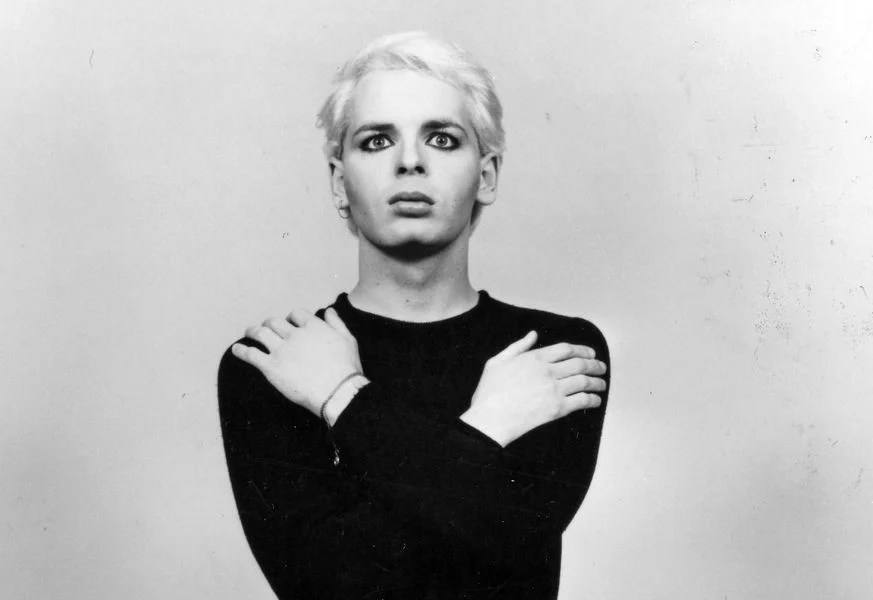
Numan showing off an aesthetic that looks awfully familiar
For me, Scary Monsters is Bowie at his best – a commercial success that maintains artistic integrity, while offering insight into a flawed, angry man who sees a flawed, angry world around him. Much like Donald Fagen and Walter Becker during their work on 1980’s Gaucho, Bowie is a man in his early thirties, who is dealing with the hangover from the 1970s and the realization that the world around him is changing. He sees the new guard coming in and grapples with a body that is slowly starting to show signs of decay from years of hard living. He comes to grips with not only his descending star power, but also his own mortality. He takes out his rage on the powers that be in an unfair world around him, and is filled with fear and insecurity by the new blood that seeks to replace him. And as it turns out, this record was literally Bowie’s midlife crisis, given that his death would come just 36 years later. But fortunately for all of us, Bowie had one more great album left in the tank after the release of Scary Monsters – more to come on that later.

 80 Albums of the 80s
Leave a reply to La folie – The Stranglers (1981) – 80 Albums of the 80s Cancel reply