Pretty Hate Machine – Nine Inch Nails (1989)
March 20, 2026
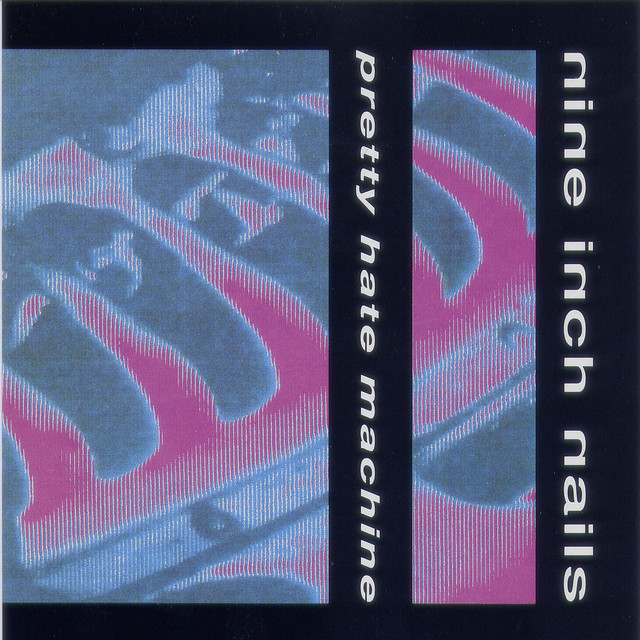
In the late 80s, Trent Reznor was playing keyboards for a synth-pop band called the Exotic Birds and was extremely dissatisfied with the group’s creative direction. Given their lack of commercial success, Reznor was also working as an assistant engineer and janitor at Right Track Studios in Cleveland, where the owner would give him free access to record his own demos in between sessions. But due to his Type A personality and very specific creative vision, Reznor couldn’t seem to find band members who could adequately deliver on the music he was writing, and eventually decided to follow the lead of Prince – who was one of his musical heroes – and record all of the instrumentals himself (with the exception of drums, which he would program electronically).
During this time, he started playing live shows, building an audience, and getting positive feedback on his demos – eventually landing him a deal with TVT Records. From there, he’d end up recording the live performances of nine of his tracks in November 1988, which would become the earliest versions of the songs that would evolve into the debut album for Nine Inch Nails – Pretty Hate Machine.
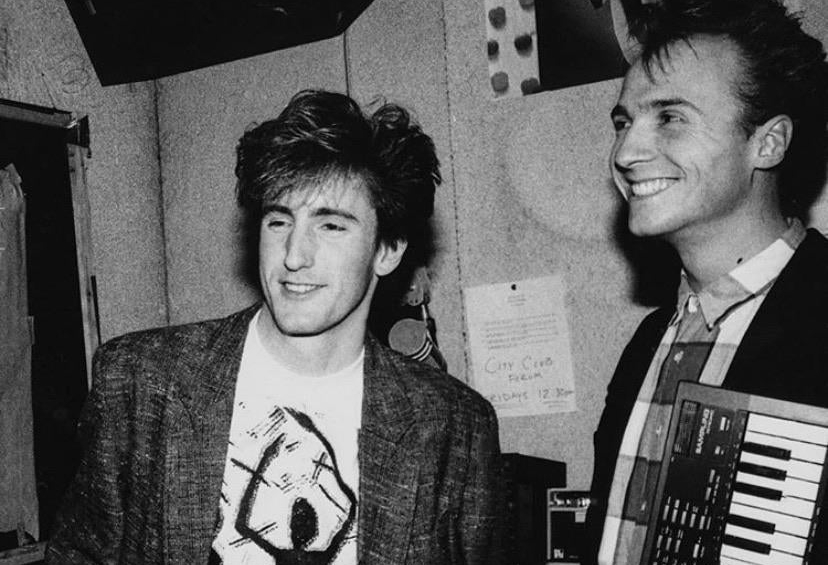
Reznor during his time with the Exotic Birds
While being primarily interested in making alternative rock and industrial music, Reznor wisely used his experience with synth-pop and new wave as a way to create a sound that was a bit more accessible and had a higher likelihood of commercial success – following the lead of bands like New Order and Depeche Mode, who had successfully been able to attract both alternative and pop audiences. He also made a point to sample a variety of popular musical artists – including Prince, Jane’s Addiction, and Public Enemy – covering a wide range of genres that all featured the sound he was looking for, despite being wildly different from one another. And as a result, Pretty Hate Machine would reach heights that were fairly surprising for an unknown artist making a hybrid of industrial music and synth-pop – earning excellent critical reviews, peaking at #75 on the Billboard 200, and becoming one of the first independently released records to reach Platinum certification.
The tracks on Pretty Hate Machine ride a very fine line, where they are often extremely dark and occasionally grating, while also proving to be undeniably danceable and incredibly enjoyable to listen to. Overlaying his dynamic bass lines and techno-infused drum machine patterns, the 24-year-old Reznor’s angsty lyrics channel rage against society, organized religion, God, and past romantic partners – simultaneously relatable on a core level, but also fairly juvenile and cringey (a self-own that Reznor has not been shy about admitting in the years since his debut was released). The album’s first two tracks – “Head Like a Hole” and “Terrible Lie” – are the most clearly targeted at the hypocrisy of Christianity; while “Sanctified,” “Kinda I Want To,” “Sin,” and “The Only Time” highlight Reznor’s conflicted mind over his desire for both sex and maintaining spiritual purity (another throughline connecting him to Prince). But the most interesting theme that he presents throughout the album is the chemical similarity that love and desire have with obsession and addiction – often resulting in lyrics where it’s quite difficult to tell whether he’s singing about substance abuse or romantic relationships (“Sanctified,” “Something I Can Never Have,” and “Kinda I Want To”).
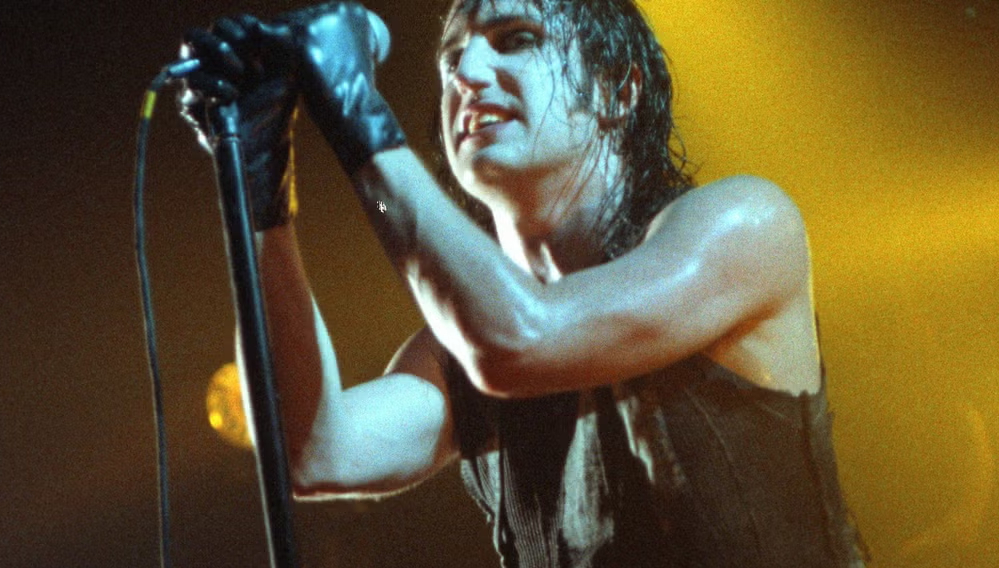
Reznor with a new look and a new sound
Nine Inch Nails’ debut would prove to only be the beginning of the success that would be achieved by Reznor in the decades to come. His follow-up releases – Broken (1992), The Downward Spiral (1994), and Fragile (1999) – would chart at #7, #2, and #1, respectively, and make him a bonafide pop sensation (a result that I’m sure even he was surprised about). And on top of his continued success in the music industry that has persisted for nearly forty years, Reznor has also become a prolific and acclaimed score composer – having earned Oscars for The Social Network in 2010 and Soul in 2020.
But aside from the incredible career that he has put together across two of the most popular artistic mediums on the planet, a big part of Reznor’s legacy will lie in his ability to help adeptly shepherd music into the 90s and new millenium. Perfectly representing the hangover of the decadent and materialistic 80s – where the West collectively realized that the bill for all of its excess had come due – Pretty Hate Machine boils over with the rage, frustration, and angst that would dominate the cultural zeitgeist in the approaching decades, and attempts to tear down all of the gluttony, greed, and hubris that came before it.
 80 Albums of the 80s
Leave a comment