Technique – New Order (1989)
March 13, 2026
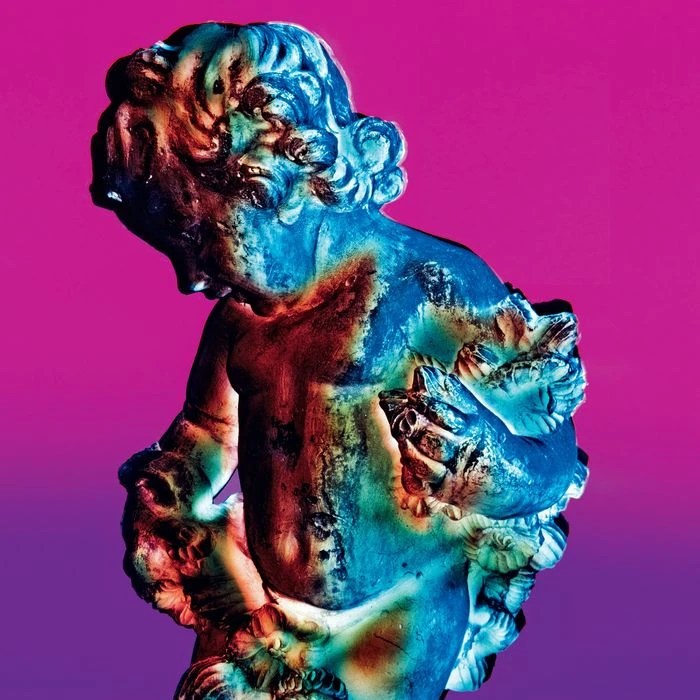
After their breakthrough second album, Power, Corruption & Lies, New Order would release Low-Life in 1985 and Brotherhood in 1986 – both of which would reach similar levels of commercial success in the UK. But where they would start to really make their mark across the pond was with their 1987 single, “True Faith,” which would become their first top 40 hit in the United States (peaking at #32) despite being a standalone song that wasn’t part of a studio album. The success of this moody dance number – credited in part to the success of its music video on MTV – would make the band a staple of club playlists in both the UK and the US, and propel them even further away from their post-punk roots.
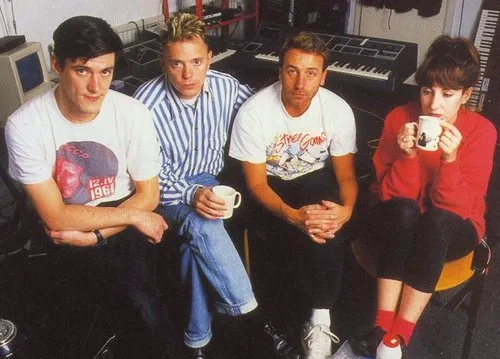
Stephen Morris, Bernard Sumner, Peter Hook, and Gillian Gilbert in studio
In the midst of lead singer and lyricist Bernard Sumner’s failing marriage, the band would pivot away from the dreary streets of London and spend a significant amount of time on the Spanish island of Ibiza, where they would become entranced by the acid house music being played at raves throughout the infamous party destination. So for their 1989 masterpiece, Technique, Sumner was insistent that they embrace the Balearic club sound and create an album that had a “summer sound” and an “end of term, last day of school feel about it.” Bassist Peter Hook, on the other hand, still viewed New Order as a rock band that happened to also use synths – which would force the two bandleaders to reach a compromise, and ultimately create something that would exceed what either of them had envisioned originally. As a result, Technique – which would feature an even split of electronic dance music and synth rock – would become their biggest success to date, reaching #1 in the UK and #32 in the US.
Praised by critics as being a happier and more fun listen than a lot of the morose alternative synth pop groups like Depeche Mode and Soft Cell, Technique is absolutely electric from the first second of its opening track to the final moments of its last. Its purest dance moments – “Fine Time,” “Round & Round,” “Mr. Disco,” and “Vanishing Point” – are the highest points on the album, but are undoubtedly aided by the mix of rock songs that are perfectly spaced throughout to prevent the white noise effect that can come from an excess of electronic music. And despite the record’s very danceable sound, it’s extremely clear from its lyrics that Sumner is a man in crisis who is desperately trying to outrun the fallout of his failing marriage by embracing a rave culture that is only temporarily numbing the pain. He channels Steely Dan’s aging sad sack classic, “Hey Nineteen,” with another song about a man in his 30s meeting a woman who is too young for him (“Fine Time”); broods about an ex-lover who will no longer speak to him (“Love Less”); shows regret about infidelity (“Guilty Partner”); admits that he’s trying to escape his problems through an ultimately unfulfilling party scene (“Run” and “Mr. Disco”); and laments over the end of a very important relationship in his life (“Round & Round” and “Dream Attack”).
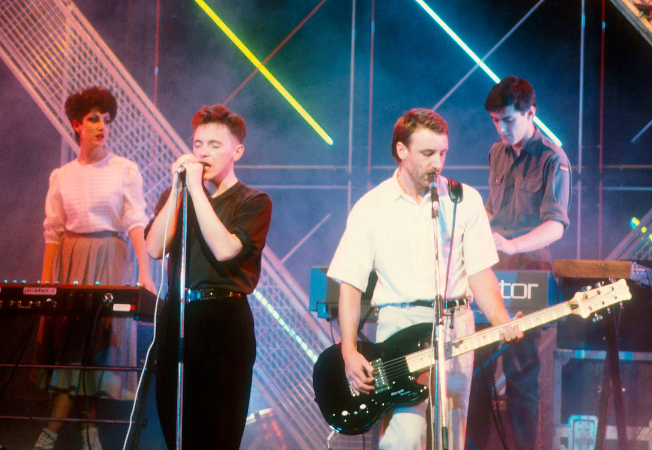
New Order on stage
New Order’s 1989 classic is another step further away from their brooding Joy Division days, where it becomes increasingly clear that not only is Sumner much more than a just fill-in for the late Ian Curtis, but that this is truly his band. Their willingness to lean into the acid house sound – which had rapidly started to gain popularity in the UK and mainland Europe – shows their adaptability as performers and their evolution as artists. Gone were the days of cocaine and discos in the late 70s and early 80s, which had now very clearly been replaced by a new era of ecstasy and raves that would continue well into the 90s. But where New Order maintains their integrity and resists the temptation to steer completely off-course is in their ability to always make a point to still sound like themselves (most certainly a direct credit to Hook’s unwillingness to completely shed their rock band roots). And while Technique would prove to be the last great record from one of the decade’s finest bands (they would release one more forgettable album in 1993 before going on a hiatus until 2001), its legacy is clear as not only a proof point of New Order’s enduring excellence, but one of the clearest instances of the cultural transition into the dance music of the next decade.
 80 Albums of the 80s
Leave a comment