Full Moon Fever – Tom Petty (1989)
February 27, 2026
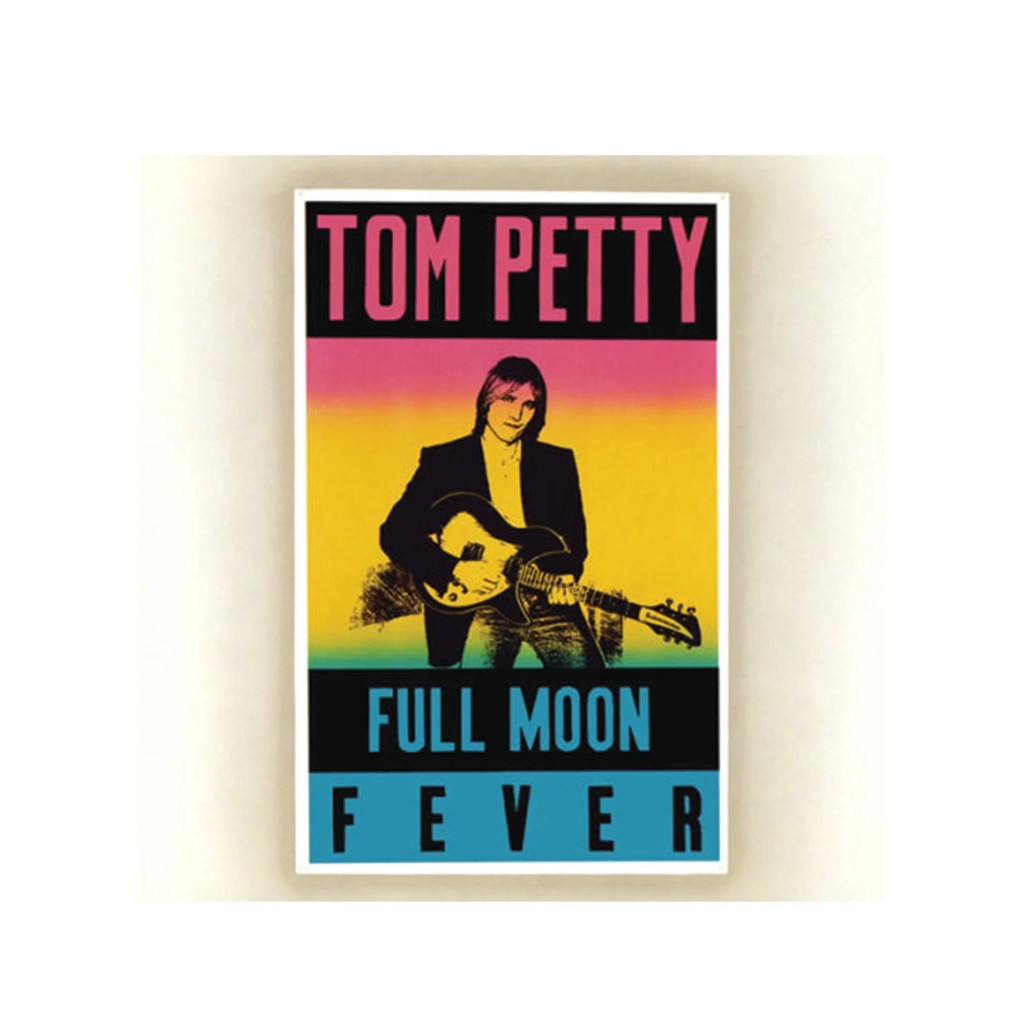
From 1976-87, Tom Petty and the Heartbreakers released seven studio albums and became one of the most popular American rock bands of the era. But their latest record, Let Me Up (I’ve Had Enough), failed to achieve the same levels of commercial success as prior releases and ultimately led to Petty making some career changes. Partially inspired by Bruce Springsteen’s decision to record Nebraska and Tunnel of Love without the E Street Band, Petty was determined to make his next album a true solo effort – much to the chagrin of some of his former bandmates, who even years later would say they didn’t like playing his solo hits when on tour as the Heartbreakers.
Despite the Heartbreakers’ irritation with the decision, all but drummer Stan Lynch would end up contributing to Petty’s solo debut – with guitarist Mike Campbell co-producing and getting co-writing credits on two of the album’s tracks. But midway through the recording process for Full Moon Fever, Petty would end up hitting pause to join the Traveling Wilburys – which also featured Bob Dylan, Roy Orbison, George Harrison, and Electric Light Orchestra’s Jeff Lynne – and release the supergroup’s 1988 debut, Traveling Wilburys Vol. 1.
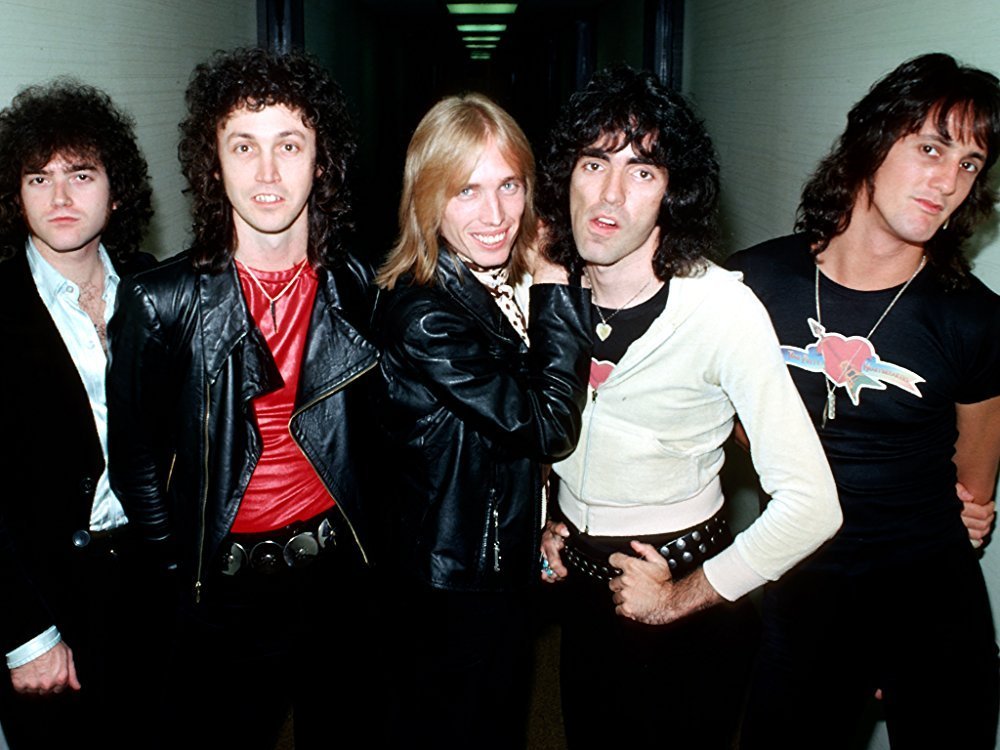
Petty in the Heartbreakers era
Although this pivot would delay the release of Petty’s first solo album, it would bring him closer to some of the greatest musicians of the era and enable him to bring them in as collaborators for the release (with the exception of Dylan, who could not be bothered, of course). Lynne in particular was a heavy influence on the project, advocating for the use of layered keyboards and backing vocals in an attempt to replicate the Beatles’ signature sound. He would also serve as co-producer alongside Petty and Campbell; get partial writing credit for “Runnin’ Down a Dream;” and provide guitar, bass, keyboards, and backing vocal work throughout the album. Harrison and Orbison’s contributions, while a bit more modest, would still prove significant – with the former playing acoustic guitar and singing back-up on “I Won’t Back Down,” and the latter adding backing vocals to “Zombie Zoo.” And as a result of this all-star cast of characters, Full Moon Fever would peak at #3 on the Billboard 200 and score hits with “Free Fallin’” (#7), “I Won’t Back Down” (#12), “Runnin’ Down a Dream” (#23), “A Face in the Crowd” (#46), and “Yer So Bad” (#86).
Despite the fact that his first solo effort doesn’t sound remarkably different from his work with the Heartbreakers, it’s a clear demonstration of where the singer was emotionally during the time of its release. Fast approaching his 40th birthday, Petty was clearly taking a look in the rearview mirror and reflecting on where he was and how he got there. “Free Fallin’,” “Runnin’ Down a Dream,” and “The Apartment Song” serve as nostalgic odes to his days as a young singer trying to make it in Los Angeles, while “I Won’t Back Down” shows Petty grappling with the price of fame and tells the true story of his house being set on fire while he ate breakfast with his family on his wife’s birthday. He also makes every effort to pay homage to his musical heroes – with a cover of the Byrds’ “Feel a Whole Lot Better,” a reference to Del Shannon’s “Runaway” in “Runnin’ Down a Dream,” musical nods to Bo Diddley on “A Mind With a Heart of Its Own” and Buddy Holly on “The Apartment Song,” and of course the fitting use of Harrison to really drive home Lynne’s attempt to replicate the Beatles’ sound.
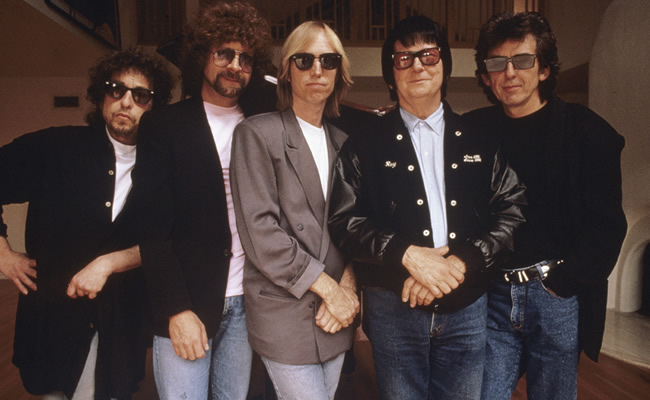
The Traveling Wilburys: Dylan, Lynne, Petty, Orbison, and Harrison
With Full Moon Fever, Petty not only enters a new phase of his career, but his life as a whole. By stepping away from the band that made him famous, experimenting with the idea of becoming a solo act, and joining the ranks of legend status with his short-lived supergroup – Petty makes it clear that this is Tom 2.0. And as he embraces the new, he also finds himself looking back on his past and refusing to completely disregard the things that made him so great to begin with – personal lyrics that are universally easy to connect with, his folksy roots rock vocal delivery, and the lethal combination of excellent acoustic and electric guitar work. These Tom Petty trademarks are the reason that this album feels as right in 1989 as it would have in the 60s or 70s, and they’re the reason he would continue to find success in the decades to follow – with 2014’s Hypnotic Eye becoming his first ever #1 album.
What it comes down to is the fact that this type of music and this type of songwriting never go out of style – and neither does Tom Petty.
 80 Albums of the 80s
Leave a comment