Tango in the Night – Fleetwood Mac (1987)
February 6, 2026
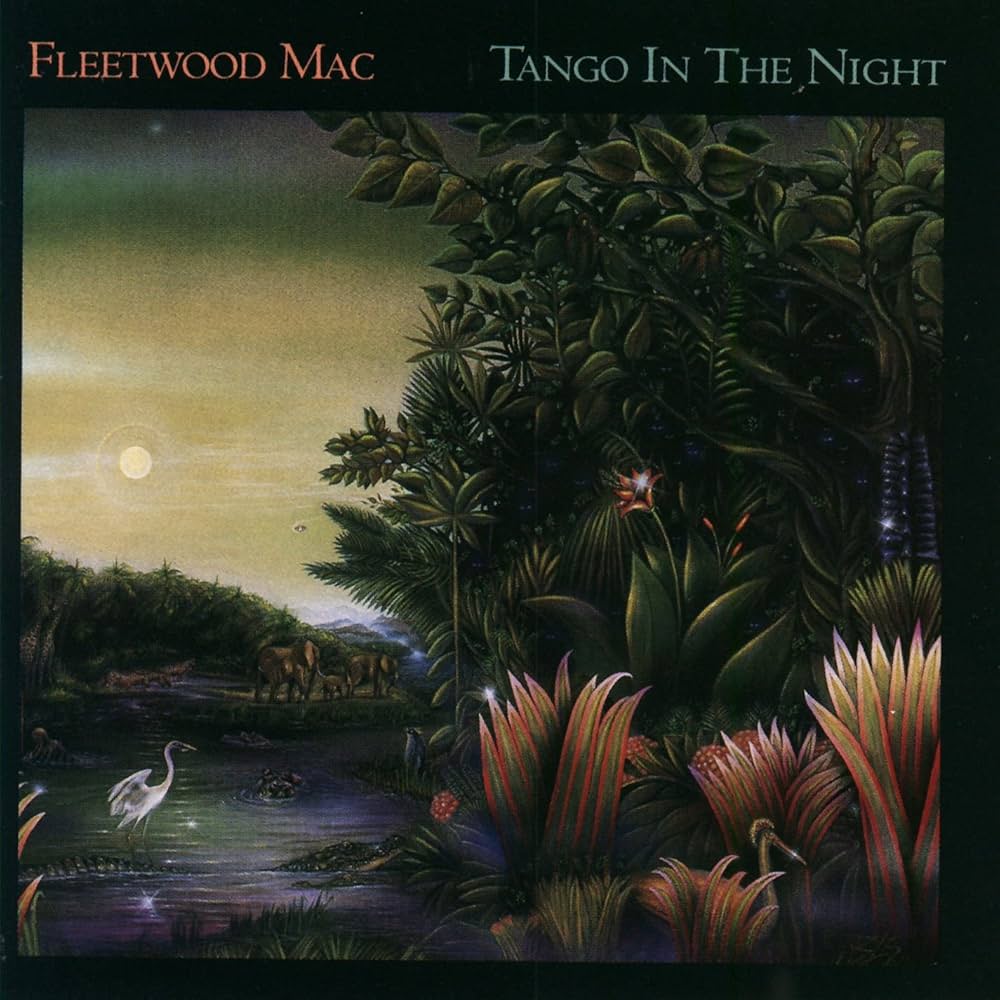
After the chaos and dysfunction that came with the release of 1982’s Mirage, Fleetwood Mac again decided that they could all use some time apart. On a professional level, things were actually going pretty well for the band’s three singers – Stevie Nicks had achieved a #5 hit with The Wild Heart (1983) and a #12 hit with Rock a Little (1985), Lindsey Buckingham’s Go Insane (1984) had charted at #45, and Christine McVie’s self-titled 1984 solo effort had reached #26. But as usual, despite the plethora of commercial success and critical praise, the band’s personal lives were in absolute disarray. John McVie had suffered an addiction-related seizure and was trying to quit his habits cold turkey; Nicks had spent thirty days in the Betty Ford Center to try to kick her cocaine habit; and Mick Fleetwood has since reported that he was doing even more blow by that point than he had during the band’s Rumours recording sessions (a seemingly impossible feat).
But by the late 80s, two important things would come together that would allow the prime lineup of Fleetwood Mac to get back together for one last release. For one, given his outrageous drug habit, Fleetwood had gone completely bankrupt and desperately needed money. And secondly, the meticulously manic Buckingham was still stewing over the fact that Mirage hadn’t lived up to his standards and wanted one more crack at a Mac masterpiece. So given the angst that both men faced in that particular moment, Buckingham decided he would donate some of the songs that he had been working on for his planned third solo album, and Fleetwood Mac would get together to run it back one last time for 1987’s Tango in the Night.
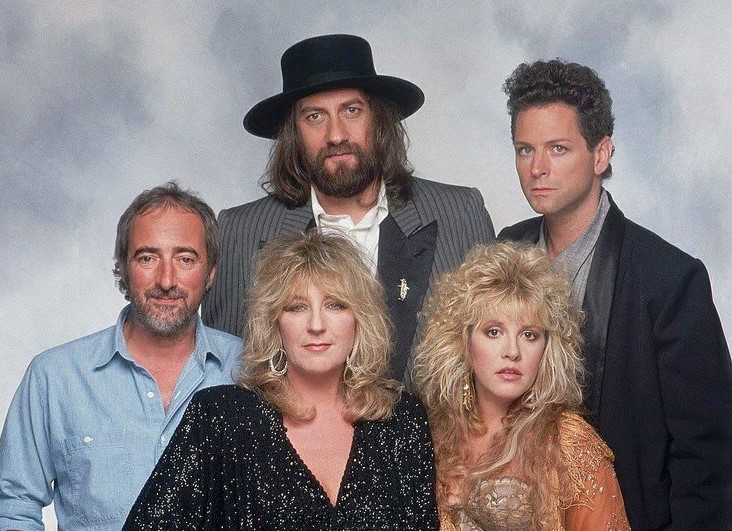
An older, but equally chaotic version of Fleetwood Mac
Now if you know anything about Fleetwood Mac – or if you’ve read any of my past writings on them – you’ll know that it was simply impossible for that crew to record an album without creating some of the most deranged lore you’ve ever heard in your life. Fleetwood’s constant parade of enablers and hangers-on – who all wanted to hop on the bender bandwagon – were so disruptive that Buckingham had to keep the bandleader in an RV outside his house to prevent them from sabotaging the recording effort. Meanwhile, the newly “clean” Nicks only graced the band with two weeks of her presence throughout the eighteen month process – reeking of alcohol and demonstrating such vocal damage from her years of drug use that Buckingham had to outright delete the majority of her contributions. And in the most emblematic anecdote of the whole experience – when the band discussed whether or not there would be an accompanying tour for the album, and Buckingham revealed that he couldn’t bear to be around the rest of them for that long, Stevie physically attacked her ex in an exchange that would get so out of hand that it would actually spill out into the street.
But despite the insanity of those five people being in a room together (or as I’ve said before, perhaps because of it), it is impossible to describe Tango in the Night as anything other than a complete success. The album would become their second best selling release of all time (behind Rumours, of course); reach #7 on the Billboard 200; and feature four hit singles with “Little Lies” (#4), “Big Love” (#5), “Everywhere” (#14), and “Seven Wonders” (#19). And as can be expected with any of the band’s releases, the thematic throughline would dip heavily into each of the members’ personal lives. Buckingham’s “Big Love” was based on the hopeful, starry-eyed promises he had made to Nicks in their early days as struggling musicians, while “Caroline” was his tribute to Carol Ann Harris (who he had fittingly begun dating immediately after Nicks). Nicks, meanwhile, would tell the tale of her stint in rehab with “Welcome to the Room…Sara” – a reference to the fake name she used when signing into the Betty Ford Center. And finally, Christine McVie would share the melancholic memories of the last days of her marriage to John on “Little Lies.”
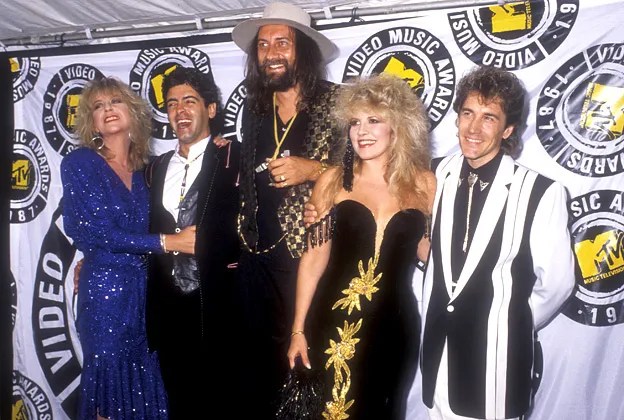
Fleetwood Mac at the ’87 MTV Video Music Awards
Tango in the Night is about as fitting of a finale for the fucked up five-some as anyone could possibly dream up. It had all of the hallmarks of a classic Fleetwood Mac recording – drugs, alcohol, fights between ex-lovers, etc. – and still went on to become an all-time classic. The only difference this time around – which I think would ultimately prove to be why it just simply could not continue on any longer – was that they were getting too old for this shit. With all of the members in their late 30s and early 40s, their hard living had finally caught up with them. Aside from the obvious impact on their personal lives and their finances, the drugs and the alcohol had even started to deteriorate their bodies (and in turn, their performances and their livelihood). John McVie was deeply concerned at the beginning of the recording process that he could no longer play bass after his seizure, and Stevie Nicks’ voice sounds noticeably worse on this release than it ever had before.
Without question, Tango in the Night was the end of the party – the lights had come up, and nobody liked what they saw. And on top of being the fitting swan song for these five legends of the era, it signified something bigger happening in music and in culture as the dawn of the 1990s quickly approached – the flashy excess of the 80s had grown tired, and something grittier and grungier was fast approaching.
 80 Albums of the 80s
Leave a comment