Invisible Touch – Genesis (1986)
January 16, 2026
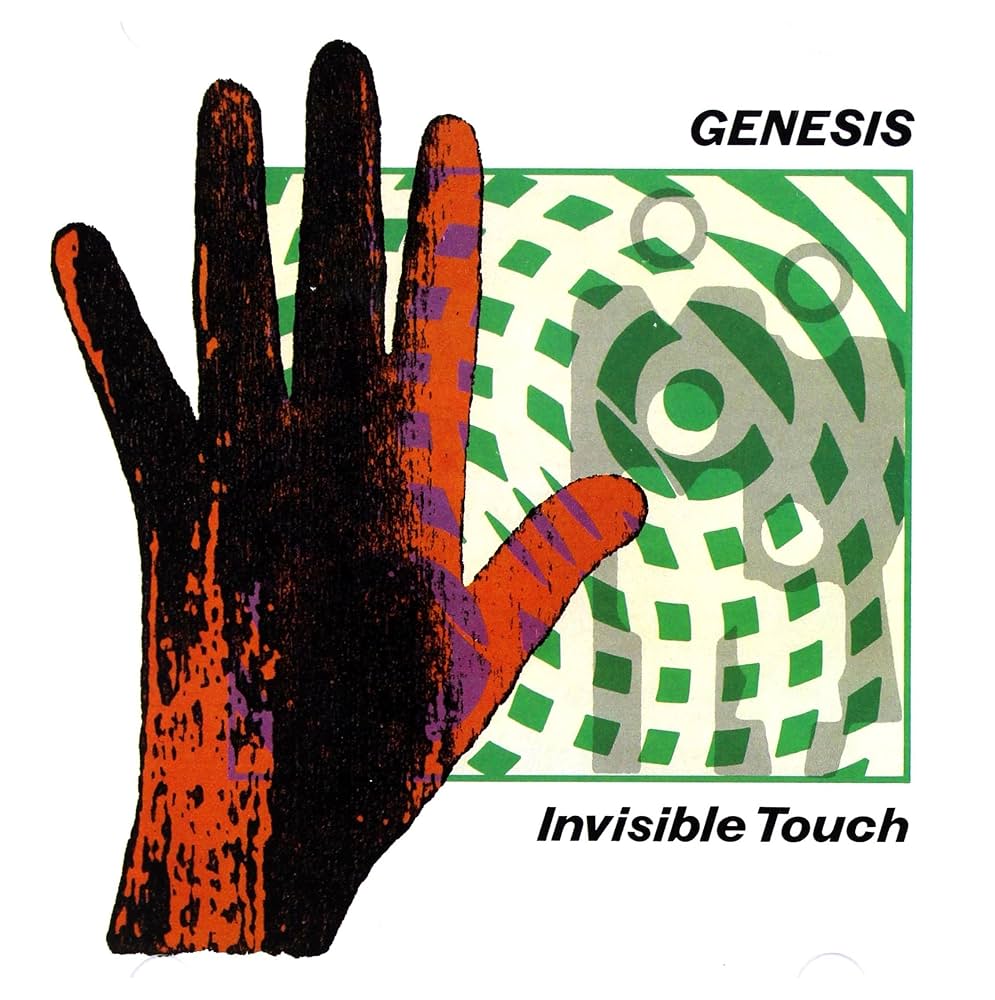
In the years after Abacab, Phil Collins would release 1982’s Hello, I Must Be Going! (#8 on the Billboard 200), and Genesis would drop a self-titled studio album in 1983 (#9 on the Billboard 200). But in 1984, the band decided they would take an indefinite hiatus so each member could pursue their own solo work – with Collins scoring his biggest hit to date with No Jacket Required (#1 on the Billboard 200), Mike Rutherford releasing Mike + the Mechanics’ self-titled debut (#26 on the Billboard 200), and Tony Banks focusing on writing film scores. Despite rampant rumors that Genesis had broken up for good, Collins made it clear that he had no intentions of leaving the band despite his growing success as a solo pop act, and the trio would reunite in late 1985 to record their next album, Invisible Touch.
In typical Genesis fashion, the band opted to use their standard style of songwriting, with the three members coming together for improvisational jam sessions – from which they would choose the best sections and overlay them with lyrics. But in spite of the fact that the music they were writing had a typically weird Genesis spin to it, there was absolutely no doubt about the fact that they had fully leaned into the pop gold that Collins had perfected as a solo artist over the course of the first half of the decade. And this lethal combination of quirkiness and pop sensibility would result in a smash hit that would become their greatest commercial success to date, with the album reaching #3 on the Billboard 200 and featuring five top five singles – the title track (#1), “In Too Deep” (#3), “Tonight, Tonight, Tonight” (#3), “Land of Confusion” (#4), and “Throwing It All Away” (#4) – making them the first foreign band to achieve this feat and putting them in the rare company of the only three American artists to ever do so (Michael Jackson, Janet Jackson, and Madonna).
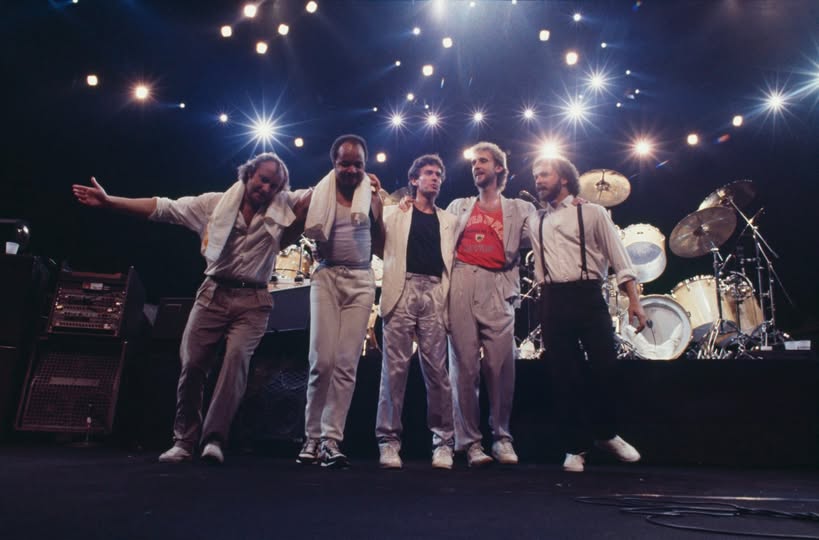
Genesis on the Invisible Touch tour
Although the album was reviled by Genesis originalists and smeared by some music critics – one of whom believed it sounded like a compilation of outtakes from Collins’ No Jacket Required – the musical composition and oddball lyricism on many of the tracks feels completely true to their classic sound (admittedly with a bit of pop spin that would ensure the record would become a commercial success). This would-be “sellout” release includes two songs that hover around ten minutes each (with “Tonight, Tonight, Tonight” clocking in at 8:53 and “Domino” at 10:44) and concludes with a completely instrumental track (“The Brazilian”). But on top of these art rock moments that fill up about half of the album, there are undoubtedly some clear cut pop songs that do indeed sound like they could have come from the Collins solo discography – most notably the title track, “In Too Deep,” and “Throwing It All Away.”
And even though there is a heavy dose of lyricism focused on love and relationships (something that Collins would lean on ad nauseam as he became a parody of himself later in the decade and into the 90s), Genesis does still maintain some of their more thoughtful, heady songwriting throughout. Clearly bothered by the revitalization of the Cold War and embrace of proxy wars by the Reagan Administration, the trio takes aim at the geopolitics of the moment with “Land of Confusion” – which targets the President in its lyrics and features him as a clownish puppet in its all-time classic music video – as well as “Domino,” which is set in a Beirut hotel during the 1983 bombings that came as a result of the Lebanese Civil War.
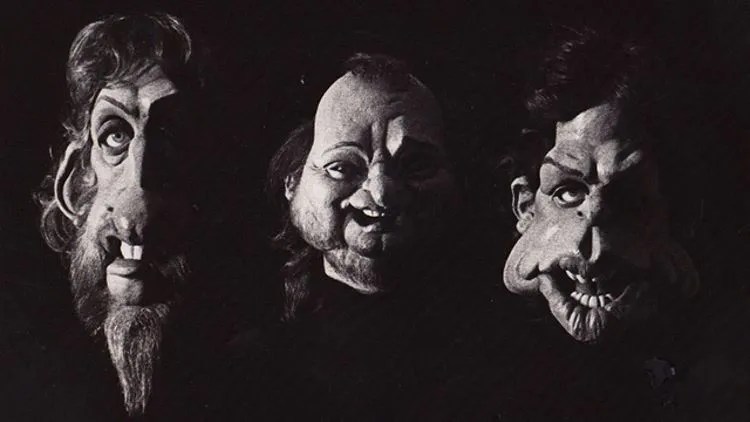
Genesis as puppets in the iconic “Land of Confusion” music video
Invisible Touch joins the ranks of the best pop releases of the entire decade, regardless of any of the misguided attacks by the Genesis originalists and self-righteous critics of the era. The argument that an album is inherently bad solely because it is popular and successful is not only lazy and in bad faith, but it is also simply incorrect. Now, I would argue that it is absolutely undeniable that this record has a remarkably different sound from the band’s work in the late 60s and 70s, but I would also say that any musical artists worth their salt should aim to evolve and change instead of simply putting out the same fan service over and over again to appease their core base. At this point in the decade, Collins and company clearly still subscribed to the “one for them, one for us” philosophy that is commonly taken by artists across a variety of popular mediums, but they still ensured that the final product was something that they could be proud of and that maintained artistic value. But the point where things would take an unfortunate turn would come just a few years later, with Collins’ lackluster …But Seriously in 1989 and Genesis’ uninspiring We Can’t Dance in 1991. The combination of the very real “Phil Collins Fatigue” (which is a fate even the greatest pop stars cannot avoid) and increasingly uninteresting song composition would bring what would appear to be the death knell for the peak of both Collins and Genesis…
That is until a revival would come in the unlikeliest of places in 1999 – an incredible soundtrack for an animated Disney film that would give Collins his first Oscar and forever cement him in the hearts and minds of a whole new generation of listeners.
 80 Albums of the 80s
Leave a comment