So – Peter Gabriel (1986)
December 19, 2025
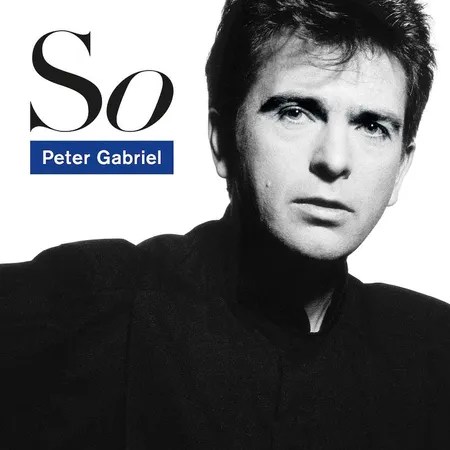
Peter Gabriel had spent most of his career as a musician primarily known for his cult following – releasing six albums as the original frontman of Genesis (before their shift toward pop music in the Phil Collins years) and four more as a solo artist after his departure. His four albums (which were all self-titled) had landed on the top 10 in the UK and the top 50 in the US, but he was still far from the international phenomenon that he would become in 1986 with the release of So.
With a combination of pressure from the label – who demanded he give the album an actual title to make it more marketable – and some understandable personal ambition, Gabriel decided that his next release would be less experimental and more pop-oriented than any of his prior recordings. Aiming to create a synthesizer-heavy blend of rock, pop, soul, and world music from Africa and Brazil that could straddle the line of being both interesting and commercially viable, he brought in some heavy hitters of the 80s music scene, including Kate Bush; Nile Rodgers of Chic; Stewart Copeland of the Police; Tony Levin of King Crimson; and art rock darling, Laurie Anderson. Gabriel’s shift toward commercial success would pay off in a big way, with the album reaching #1 in the UK and #2 in the US, and featuring multiple hit singles – none bigger than “Sledgehammer,” which would go on to be his only #1 hit in the US and knock his former band out of the top spot they had held for weeks with their only career #1 single in the US, “Invisible Touch.” And on top of his win on the charts against his former bandmates, Gabriel would also score Video of the Year at the VMAs over Genesis’ “Land of Confusion.”
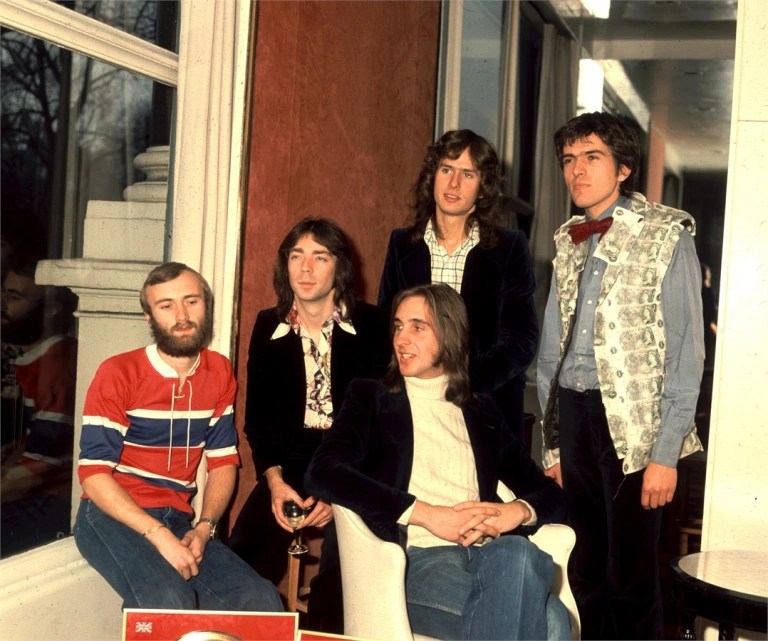
Genesis in the Gabriel years
Despite the pop-oriented production on So, Gabriel maintained his knack for socially critical lyrics, including his shredding of Margaret Thatcher’s economic policy on “Don’t Give Up” (a duet featuring Kate Bush); a satirical take on the materialist, consumerist yuppie culture of the 80s on “Big Time;” a reference to Stanley Milgram’s experiment on obedience with “We Do What We’re Told (Milgram’s 37),” and his metaphorical take on the societal prevalence of torture and kidnapping with “Red Rain” (which he wrote based on a recurring series of dreams he had where human-shaped wine bottles were falling off a cliff and filling up a pool that he was swimming in). But unsurprisingly, two of the album’s most well-known tracks are much more traditionally simple pop songs – the sexually charged “Sledgehammer” and the romantic ballad, “In Your Eyes” (which reached #26 on the Billboard Hot 100 at the time of its release, but would again land on the pop chart at #41 a few years later after its inclusion in the climax of Cameron Crowe’s Say Anything).
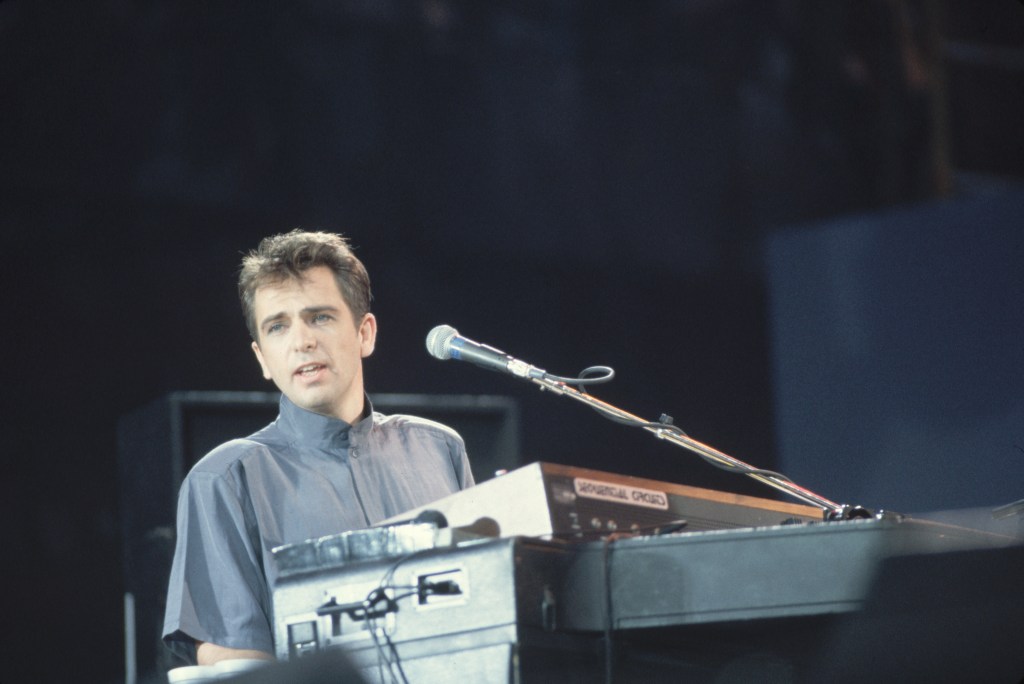
Gabriel performs on stage
Like many of the other albums I’ve covered throughout this series, So is the moment that a beloved cult artist of the 70s embraced pop music in the following decade. And despite the fact that it did as well as it did commercially, retrospective reviews have been a bit harsh – taking aim at the dated 80s production value and the idea that this was his sellout album. Gabriel himself has even been surprisingly self-reflective on the choice, admitting that while “Big Time” was a critique of commercialism in the 80s, it was also an acknowledgment of his own ambition and pursuit of fame and fortune – which is never more clear than with the lyric, “My parties have all the big names, and I greet them with the widest smile. Tell them how my life is one big adventure, and always they’re amazed. When I showed them ’round the house to my bed, I had it made like a mountain range with a snow white pillow for my big fat head.” But regardless of the shift in style and tone, So remains an excellent album and the signature release of his career. And on top of all the fame and fortune that he was able to successfully achieve with his fifth solo record, I can’t help but imagine it felt pretty good to beat out Phil Collins and the rest of Genesis on the charts and at the award shows – making a pretty good case that he may have actually won the divorce over a decade after his departure.
 80 Albums of the 80s
Leave a comment