Songs from the Big Chair – Tears for Fears (1985)
October 31, 2025
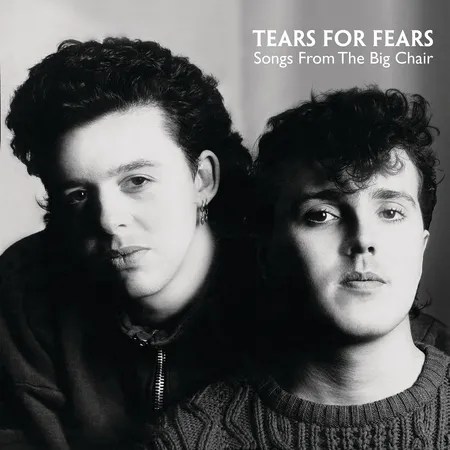
Roland Orzabal and Curt Smith met as teenagers and would go on to form a band called Graduate in 1980. Their debut album would feature the single, “Elvis Should Play Ska” (in reference to Costello, not Presley), which would come in just outside the top 100 on the UK singles chart. From there, they would bounce around as session musicians while finding themselves more and more inspired by some of the great artists of the era, including Talking Heads, Brian Eno, Peter Gabriel, and Depeche Mode. But their big shift came when they really began to dive into electronic music – spurred in particular by Gary Numan’s “Are Friends Electric?” – and noticed the rise of synth-pop duos like Orchestral Manoeuvres in the Dark and Soft Cell. So just a few years later, Orzabal and Smith (now going by “Tears for Fears”) would release their first record under the new moniker, The Hurting, which would reach #1 in the UK and #73 in the US; feature their first hit song, “Mad World” (#3 in the UK); and transform them into a legitimate pop act on both sides of the Atlantic.
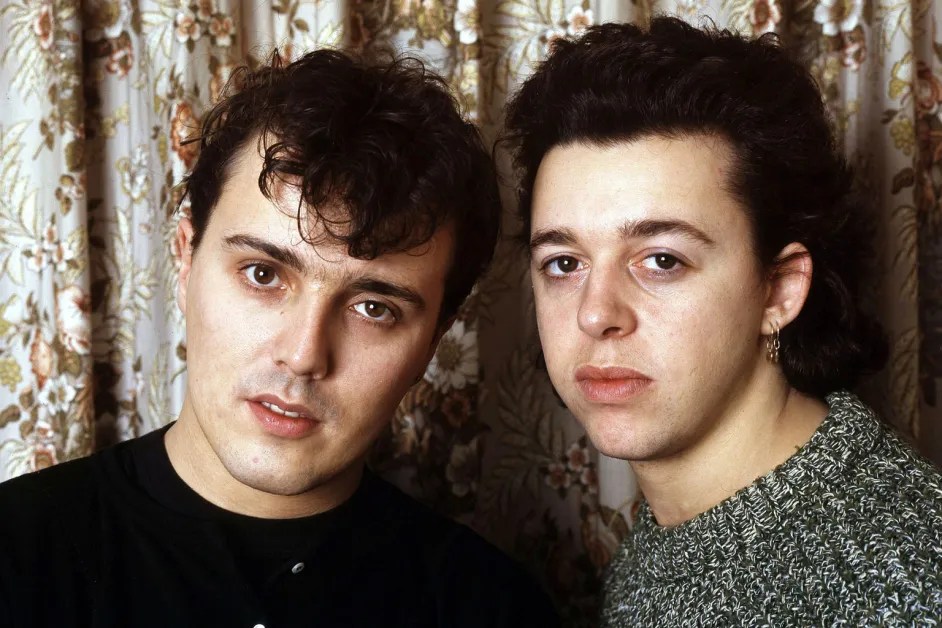
Curt Smith and Roland Orzabal in ’86
Now enjoying the perks of name recognition and commercial success, Tears for Fears decided to move away from the dark, moody synth-pop of their debut and embrace a heavily produced pop rock sound that was very much in line with some of the most acclaimed releases of the mid-80s. The other major change that would make 1985’s Songs from the Big Chair noticeably different from its predecessor was the fact that Orzabal had basically sidelined Smith on the songwriting front. While The Hurting had essentially been a straight down the middle split of songwriting credits (five songs by Orzabal, four by Smith, and one that was co-written by both members) – nearly all of the tracks on their follow-up record were either written entirely by Orzabal himself, or alongside other collaborators (including producer Chris Hughes, drummer Ian Stanley, and keyboardist Manny Elias). The only exception for poor Curt was co-credit on the writing of “Head over Heels / Broken (reprise),” which I’ll say is arguably the most impressive track on the entire album. But despite any perceived unfairness (or ensuing resentment), Orzabal’s bet on himself would prove to be a wise one, as the album would catapult to #1 on the Billboard 200; receive widespread critical acclaim; and dominate the US singles chart with “Shout” (#1), “Everybody Wants to Rule the World” (#1), “Head over Heels” (#3), and “Mothers Talk” (#27).
Despite all of their commercial success, it’s clear that Orzabal had some mixed feelings about Tears for Fears’ pursuit of pop superstardom, as the lyrics of “The Working Hour” dive into the taxing nature of fame and the pressure placed on the band by record execs thirsty for hit songs. And on the album’s truly excellent suite of “Broken” and “Head over Heels / Broken (reprise)” – the duo lament the weight and responsibilities of adulthood and examine the impact of their childhoods on their present day relationships. But ultimately, this album is thematically centered around the late stages of the Cold War, which had seen tensions renew throughout the early 80s. The title of “Everybody Wants to Rule the World” sort of speaks for itself; while Orzabal encourages his fans to speak out for what they believe in on “Shout;” references the anti-Cold War film When the Wind Blows on “Mothers Talk;” and begins “Listen” with the lyrics, “Mother Russia, badly burned, your children lick your wounds.”
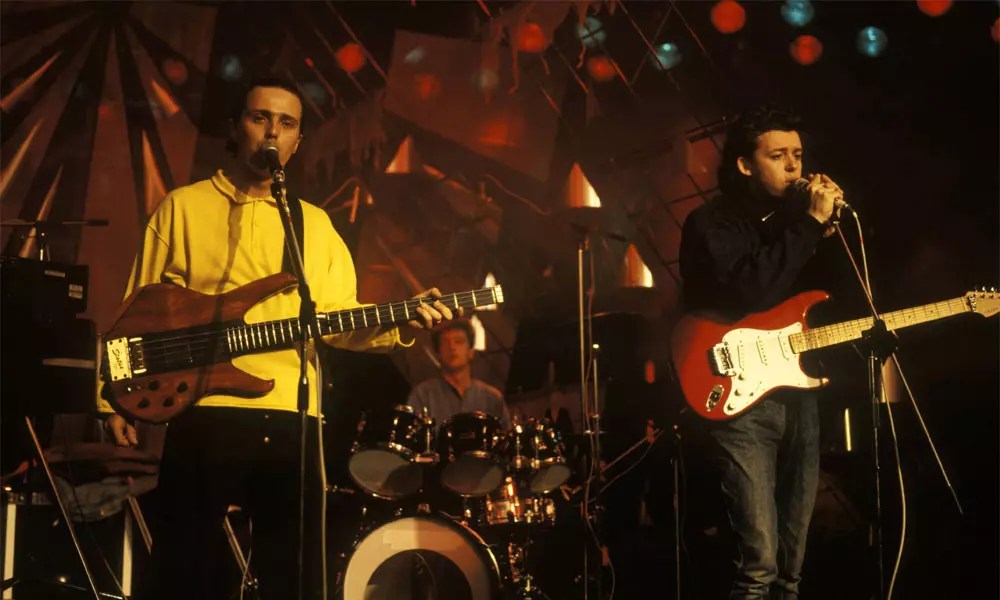
Tears for Fears on stage
Without question, Songs from the Big Chair is one of the signature albums and great pop music achievements of the entire decade, particularly due to its two all-time classic singles – “Everybody Wants to Rule the World” and “Shout” (staples of every 80s playlist you will ever find). Aside from its lyrical content reflecting the geopolitical conflict of the era, its overall sound is the epitome of 80s pop music done right. It includes the synths, the crooning of two British guys with big hair, and some memorable guitar solos throughout the record – all without dipping into the icky plasticity that had found its way into a lot of the decade’s big releases. But unfortunately for fans of higher brow pop music, the original version of Tears for Fears would only release one more album – 1989’s The Seeds of Love – before Orzabal would decide to keep the band name for himself during his run as a solo artist in the 90s. But despite the brevity of their original three-album run, Songs from the Big Chair serves as not only the perfect centerpiece for the prime years of Tears for Fears, but also for the decade as a whole with its fitting release in 1985.

 80 Albums of the 80s
Leave a comment