The Lexicon of Love – ABC (1982)
May 23, 2025
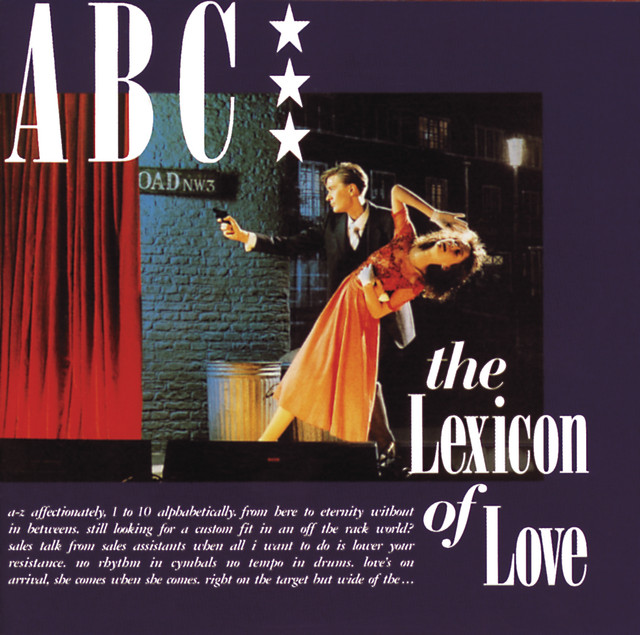
In the late 70s, Stephen Singleton and Mark White were part of a talented, but largely unknown electronic band called Vice Versa. The two synth players and their other bandmates reached some levels of success through performing alongside the Human League – who would go on to have massive success in the early 80s with hits like “Don’t You Want Me” and “(Keep Feeling) Fascination” – but ultimately never broke through after releasing a handful of EPs. But in 1980, the duo would end up being interviewed by Martin Fry, the editor for a fanzine called Modern Drugs, and got along so well that they decided to branch off and create their own band that would be called ABC – with Fry on lead vocals, Singleton playing saxophone, and White as the guitarist and primary keyboardist.

ABC looking dapper as ever
The group’s intention behind their first album was to combine the attitude and rawness of punk rock with the sophisticated danceability of disco to create a unique pop sound that would stand out from some of the other new wave groups of the decade. Fry has since claimed that their goal was also to incorporate an element of musical theatrics into their sound, saying that “most of the other people were writing about electric pylons. We wanted to hark back to Cole Porter and his ilk, but in a very modern way.” And despite the fact that they were a largely unknown group of guys releasing their debut album, The Lexicon of Love would go on to become a hit record – largely due to the success of their first single, “Tears Are Not Enough,” which would reach the Top 20 in the UK. On top of that initial surge of success, the album as a whole would not only go #1 in the UK, but would also reach #24 on the Billboard 200. And despite not having enormous name recognition in the United States, they scored hit singles that reached the top 25 with “The Look of Love” (#18) and “Poison Arrow” (#25).
As made clear by its title, the album is thematically focused on love and relationships – primarily on heartache and romantic disappointment. But upon close examination, you can see that the band’s lyrics are filled with references to the performers who inspired them. The opening lyrics of “Poison Arrow” are pulled almost word for word from the Beatles’ “Do You Want to Know a Secret?” – with the major exception being that ABC’s version of the lyrics end on a more sour, less sappy note when Fry admits that he “fouls the situation.” The trio also pays homage to Bob Dylan’s “Just Like Tom Thumb’s Blues” in the opening line of “The Look of Love” – but unlike the bubblegum pop lyrics of the early Beatles’ song, ABC matches Dylan’s pessimistic view on life and love. The band also makes reference to another song and dance man who certainly matches the Cole Porter aesthetic they were going for on the record, when Fry croons on “Valentine’s Day” that if he “got dancing lessons for all the lips [he] shoulda kissed, [he’d] be a millionaire, [he’d] be a Fred Astaire.” And on top of the numerous showbiz-inspired lyrical nods, the band also leans into spirituality on “4 Ever 2 Gether” with references to the teachings of Confucius, the twelve disciples, and the prophet Muhammad.
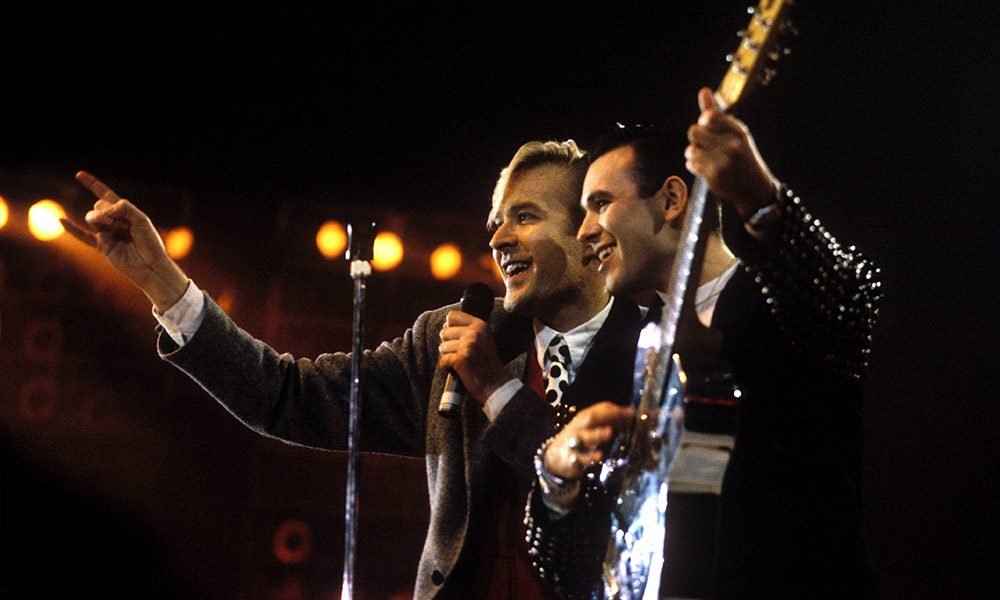
Martin Fry and Mark White on stage
The Lexicon of Love is an example of some of the most consistent, complete new wave tracks to ever be featured on a single album. ABC is able to masterfully introduce a sort of hammy, theatrical punk rock aesthetic that blends perfectly with the danceable synth pop and disco sounds in the music they were creating, while not coming across as cheesy or unoriginal. So much of the music that is synonymous with the new wave era came from one-hit wonder bands who were relegated to the dustbin of history after their five minutes of fame, and ultimately damaged the reputation of that entire genre of music. Many of the bands of that era became seen as “flavors of the month” because their music had no uniqueness to it and their aesthetics were endlessly interchangeable. But ABC was nothing if not unique, and it’s truly stunning that they were able to put out not only their finest album, but one of the great pop achievements of the decade, on their very first try. Despite the fact that bands like Duran Duran dominated the 80s and were staples of pop radio stations, ABC absolutely eats their lunch on this record. And while an album like Rio sold far more copies than The Lexicon of Love, music critics have since panned the former as an uninteresting relic of a bygone era of music and given the latter its due as one of the most innovative records of the decade. ABC proved with their debut that it was possible to make a new wave record that was fun and accessible while also being a legitimate piece of art that would maintain value and influence over forty years after its release.
 80 Albums of the 80s
Leave a comment