La folie – The Stranglers (1981)
March 7, 2025

With their first four albums that were released from 1977-80, the Stranglers had established themselves as not only one of the forefathers of the post punk scene, but had also achieved a fair amount of commercial success in the UK. And as a result, they had basically received the go-ahead to do whatever they wanted for their fifth album – 1981’s The Gospel According to the Meninblack. But instead of continuing on with what had made them so popular in the first place, the band may have gotten a bit too cute and a bit too ambitious. Meninblack was a self-produced, experimental concept album that attempted to create a throughline between religious phenomenon, extraterrestrials, and government conspiracies, which lead singer Jean-Jacques Burnel would admit decades later had been heavily inspired by heroin use. But while the album has retroactively gotten recognition for being an early pioneer in the development of both goth and techno music, it was their worst-selling album to date and isolated even their most dedicated fans.
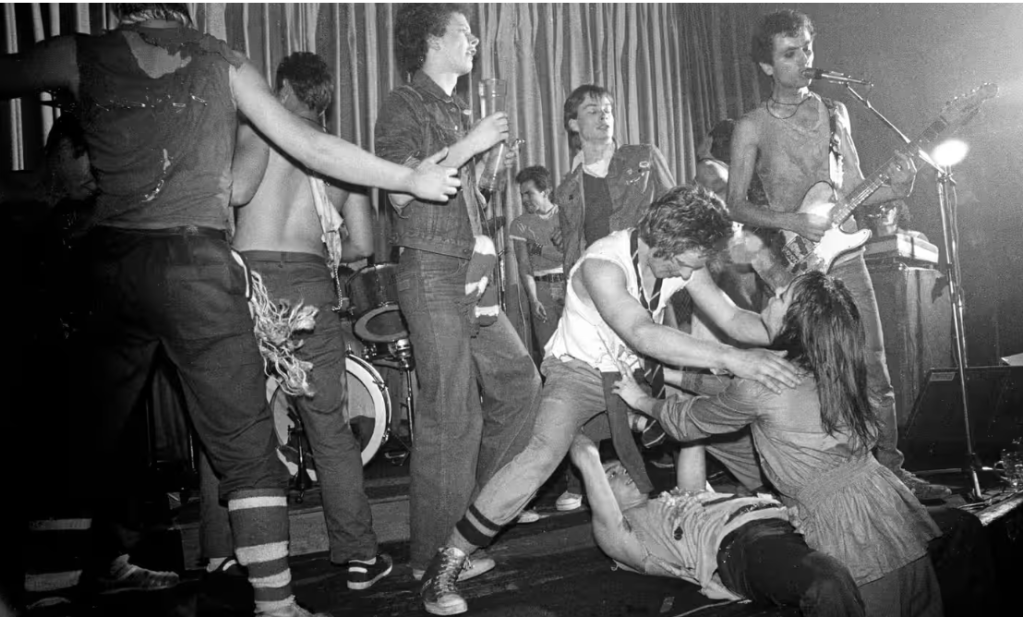
The Stranglers get wild on stage in London
So less than a year later, the Stranglers decided to release another record to avoid losing out on all the momentum they had accumulated prior to their recent failure. The band liked the idea of creating another concept album, but this time, they made two critical choices that would lead to much better results than their prior release. For one, they ditched the polarizing, weird, conspiratorial angle of the last album and instead decided to focus this one on a much more relatable, digestible topic – love. And in addition to the change in thematic direction, they decided to enlist some much needed production help – hiring Steve Churchyard (who had worked with not only the Stranglers in the past, but also Wings and Kate Bush) to co-produce the album with them, and bringing in Tony Visconti (a frequent producer of David Bowie albums) for mixing. The result was 1981’s La folie, which despite a slow start commercially would benefit from the success of their single, “Golden Brown.” That single would end up charting at #2 in the UK, and the record itself would reach #11, providing the band with a much needed comeback that would open the door for all the great work that would follow throughout the rest of the decade.
As mentioned before, the album’s theme is love – in all of its different forms and for all of the people and things it can be felt toward. “Non Stop” (originally intended to be titled “Non Stop Nun”) tells the story of a woman dedicating herself to God and joining a convent to free herself from a life dependent on men. “Everybody Loves You When You’re Dead” deals with the constant attention we pay to famous people’s mistakes and failings while they’re alive, only to be replaced by love and admiration after their death. The band pays clear homage to heroin in “Golden Brown,” which they purposely disguised as a love song to get it past censors. “How to Find True Love and Happiness in the Present Day” shows the fruitlessness of chasing money, power, or a fast-paced lifestyle, all of which eventually grow tired and leave their pursuers empty and devoid of love. And finally, the title track (which is French for “Madness”) tells the real-life story of Issei Sagawa, a Japanese man who had murdered a woman in Paris earlier that year and gained a grotesque notoriety for his acts of necrophilia and cannibalism on his victim’s remains. But despite the sometimes heavy thematic elements present throughout the record, it mostly consists of upbeat pop songs with catchy choruses, leaving most casual listeners completely unaware of the intended messages.
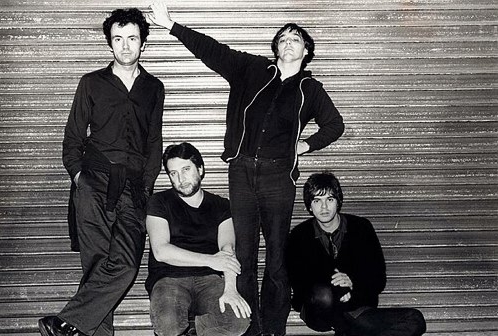
The Stranglers pose less wildly in New York City
The Stranglers are an excellent example of so many of the bands that came out of the British punk scene and decided they could be more than just anger and noise. They followed the trajectory of other greats in this realm like the Clash, who were able to effectively demonstrate not only their talent and musical sophistication, but also their ideas. But while the Clash were focused on sharing their leftist ideals and building awareness for the rampant geopolitical travesties of the time, the Stranglers sought to dive into the human psyche and the way we relate to one another – both on an individual level and as a society. And on top of the interesting themes they were able to dig into on an intellectual level, they also paved the way for a lot of the excellent post punk and new wave bands that would follow this tradition. To me, the Stranglers are the perfect example of the apex of the British indie rock scene of the 70s and 80s – they were able to nail the sweet spot of being a little more refined and accessible than early punk, but also not coming off as cheesy and soulless as the over-saturated new wave genre that would become a parody of itself as the decade progressed.
 80 Albums of the 80s
Leave a comment