Kilimanjaro – The Teardrop Explodes (1980)
December 13, 2024
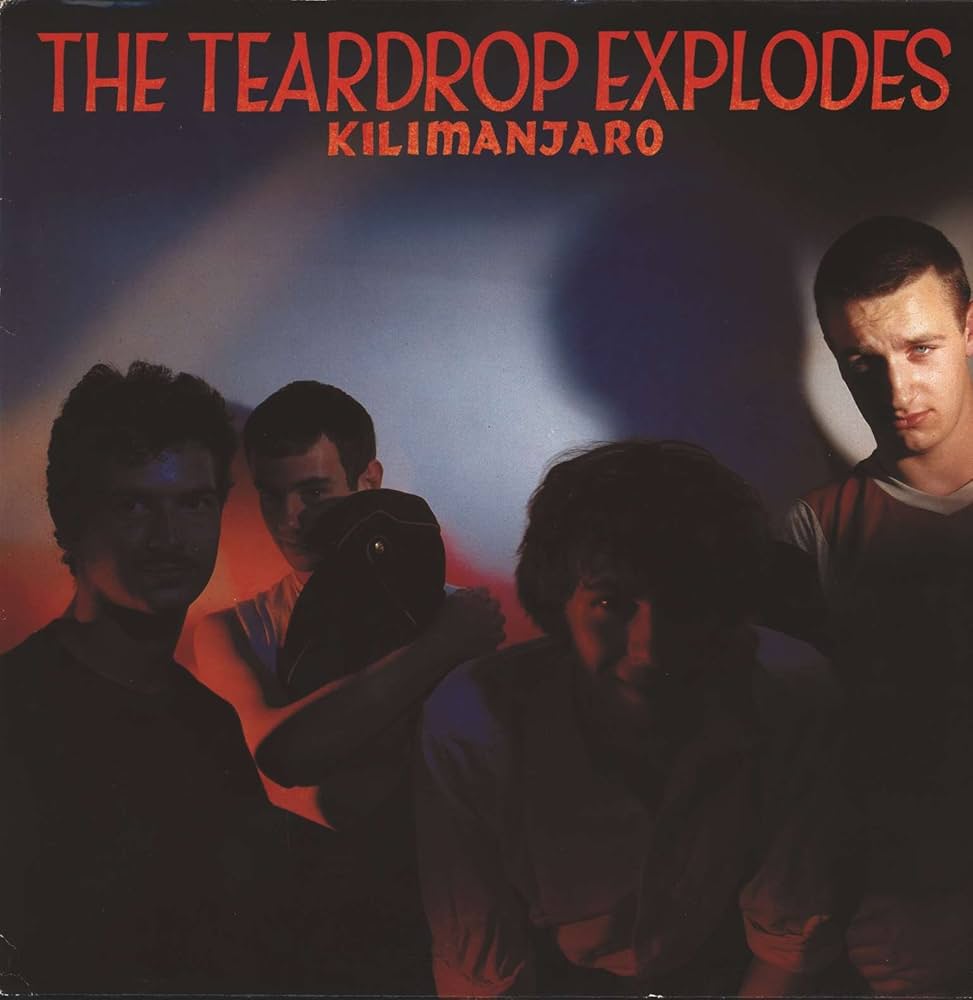
What if a musical misfit who had bounced around the post-punk scene in the late ‘70s was able to put together a band named after a Daredevil comic strip and create a near-perfect album? That is exactly what Julian Cope did with The Teardrop Explodes and Kilimanjaro in 1980. Cope had previously been in a band called Crucial Three with two other Liverpool artists who would go on to have successful careers in their own right – Ian McCulloch (who would later sing for Echo & the Bunnymen) and Pete Wylie (of Mighty Wah! fame). But as is often the case with bands that have a surplus of talent, egos got in the way, and the whole thing was over before it even began.
After bouncing around with a few more short-lived bands, Cope would go on to form The Teardrop Explodes in 1978, naturally pitting him against McCulloch, who had started up Echo & the Bunnymen that very same year. Cope and company kicked off their short-lived run with a bang – arguably peaking way too soon – and released Kilimanjaro in October 1980. The album would go on to do fairly well in the UK and the US, peaking at #24 and #156 on the charts, respectively. And in fact, the album would be re-released in 1981 to include “Reward” after the somewhat surprising success of the single, which ironically includes lyrics about selling out artistic integrity and being forced to accept the reward of fortune and fame. Things would sort of go downhill from there, with their follow-up album Wilder falling short of expectations, and the band crumbling before they could release their third album due to Cope’s tyrannical leadership and increasingly problematic drug use.
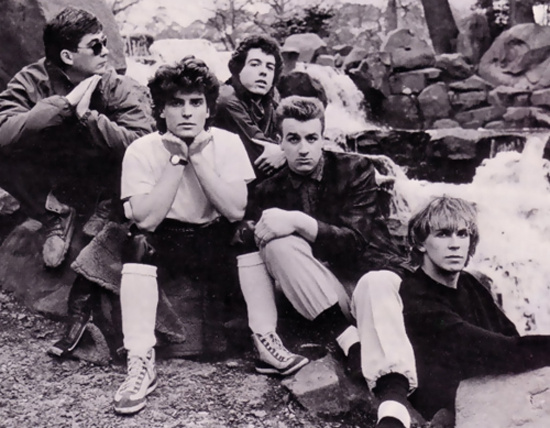
The Teardrop Explodes – one of the best bands no one’s ever heard of.
Despite the cautionary tale of the rest of their career, their debut album is absolutely sensational. The record is at its best with “Ha Ha I’m Drowning,” “Sleeping Gas,” and “Went Crazy” – where Cope’s chops on bass are demonstrated alongside the blaring trumpets of Ray Martinez and Hurricane Smith (who engineered albums for the Beatles and Pink Floyd in the ‘60s). Throughout the album, Cope’s strong lyrics about descending into madness are eerily prescient given the struggles with mental health and drug abuse he would face later in his life. In “Went Crazy,” he declares “Je suis suicide, je suis pain,” and in “Bouncing Babies,” he concludes the song by claiming, “I was a bouncing baby; now I’m a bouncing bomb. So won’t you come and diffuse me, before I kill someone.” And for someone who has never listened to these songs, the assumption might be that these are the lyrics of dark and dreary songs more akin to the work of an emo band – yet these disturbing lyrics are hidden by melodies that are triumphantly joyful and almost give off a sort of manic quality.
Elsewhere on the album, there are lighter themes and even truly comedic lyrics. In “Books,” Cope bluntly poses the question, “Who wants love without the looks?”, and pokes fun at war propaganda in “Brave Boys Keep Their Promises.” The album concludes with the sort of breathtaking “Use Me,” which only features Cope’s vocals and Michael Finkler’s acoustic guitar, serving as an effective comedown for a record that is extremely high-energy.
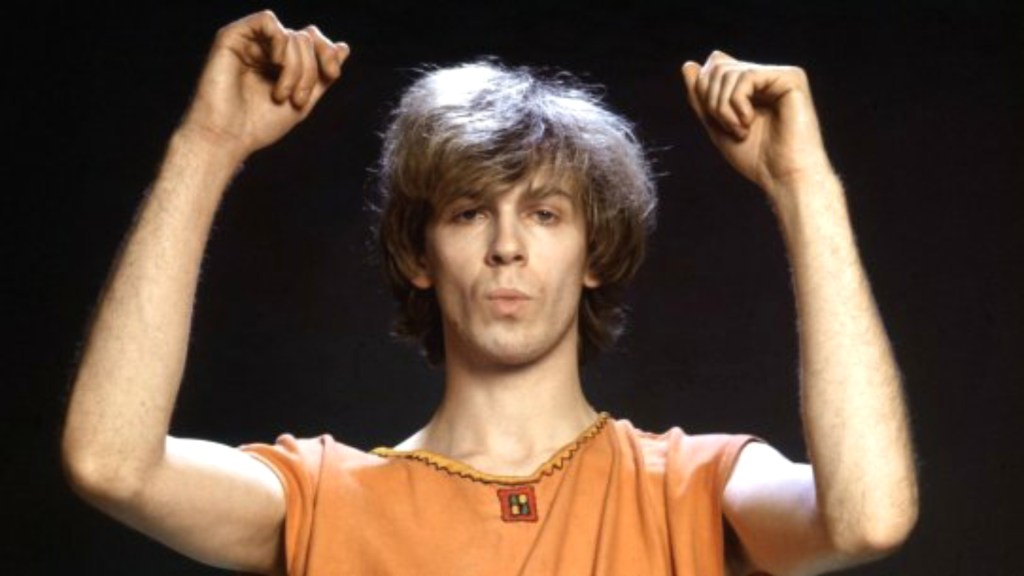
A young Julian Cope
Kilimanjaro is one of the best albums you’ve likely never listened to by one of the best bands you’ve likely never heard of. The Teardrop Explodes had all the makings of a group that could have been as long-lasting, successful, and beloved as their peers in bands like XTC and even Echo & the Bunnymen. Each time I listen to it, I find myself thinking “this is definitely the best song on the album” at least five different times as I move through its fifteen tracks. But unfortunately, ego is a hell of a drug (as is LSD as it turns out), and Cope burnt out his bandmates and effectively fried his brain before truly reaching the potential greatness that the group so clearly had. But at least we have Kilimanjaro – a near perfect album whose only flaw is the fact that it’s such a haunting reminder of what could have been.
 80 Albums of the 80s
Leave a comment