Telekon – Gary Numan (1980)
November 29, 2024
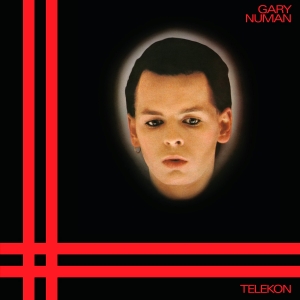
1979 was a monumental year for Gary Numan. As frontman of the Tubeway Army, Numan had released Replicas in April, and then just five months later debuted as a solo artist with The Pleasure Principle. Both albums charted at #1 in the UK and also performed extremely well in the US (with the former charting at #124 and the latter at #16). Not to mention, each album had produced a massive single – the Tubeway Army’s “Are Friends Electric?” and his solo mega-hit, “Cars,” which to this day remains one of the signature songs of the 80s. So despite not meeting the mold of a typical pop superstar, and releasing two electronic albums with lyrics reminiscent of dystopian science fiction novels, Numan had somehow found himself thrust into the spotlight of fame.
Through his somewhat surprising success, Numan had essentially received a blank check to do whatever he wanted next, and decided to go with the third and final chapter of his “machine” trilogy with 1980’s Telekon. The album very much fits in with his prior two releases, both sonically and thematically, and reached similar levels of commercial success. And despite receiving mixed critical reactions at the time (much like all of the work he had produced up to that point), it has been retroactively praised and given credit for its impact on the future of electronic music – most notably by Trent Reznor of Nine Inch Nails, who sites Numan as a major influence on his career.
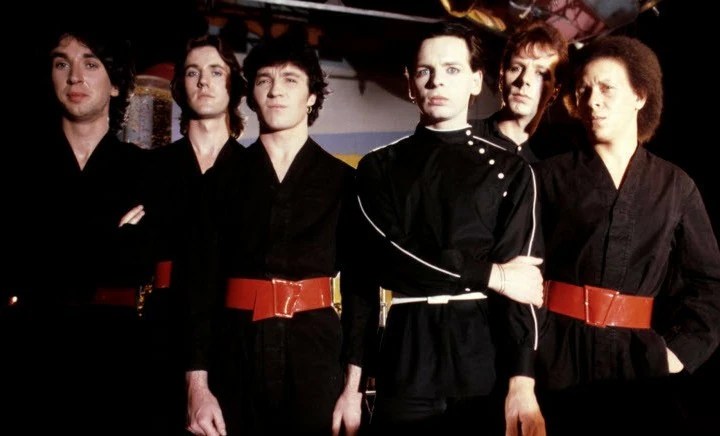
Numan and his Tubeway Army band mates
Despite all of the commercial success and resulting fame, Numan found himself absolutely miserable. Like many young artists, he was caught off guard by what fame actually feels like and didn’t have a personality well suited for that kind of recognition and attention. At the time, he was considered to be aloof and arrogant – most vocally by David Bowie, who felt that Numan had stolen his eccentric persona and signature sound. But Numan has since revealed that he had been diagnosed with Asperger’s as a teenager, later saying that he struggled with polite conversation and basic social interactions, which likely led to the bad reputation he hadn’t been able to understand at the time.
His misery and frustration are obvious in his lyrics throughout the album, and are mostly clearly demonstrated in “Remind Me to Smile,” “Remember I Was Vapor,” and “Please Push No More.” At multiple points on the record, he makes reference to feeling like an animal being watched at the zoo, describing his life as a “cold, glass cage” and feeling that “this is detention” and “isn’t fun at all.” He also hints that he may be at the end of the line of his music career when he includes the Japanese translation of “I leave you” in the lyrics of “This Wreckage,” and claims “now it’s all over for sure” in “Please Push No More.” While it does stick with the “android persona” and hallmark sci-fi lyrics that had been present in his prior releases, Telekon indicates a notable shift in Numan’s psychology and overall happiness in his life.

Numan performing on Saturday Night Live during the peak of his popularity
Numan exists as one of the most fascinating stars of the 1980s because of just how out of place he really was in the decade’s decadent culture. While many of his peers (and the Western population at large) obsessed over wealth, status, and fame, Numan actively disdained all that his musical achievements had brought him – and as a result, Telekon would mark the end of the most successful chapter of his career. From this point on, Numan’s musical direction would shift away from the electronic sound that had made him a star, and he would make the decision to retire from touring (albeit only temporarily) in 1981. His popularity and critical acclaim would never again match the heights of his career’s first act, and he would ultimately get what he wanted as his fame and commercial success waned over the course of the rest of the decade as he found himself surpassed by acts like Depeche Mode and Duran Duran. It makes one wonder if he had any regrets after shedding the burden of pop stardom – which can obviously have an addictive quality despite its pitfalls – and if it would end up being a classic case of not knowing what he had until he lost it. Regardless of any questions about what could have been, Numan’s early career undoubtedly cements his legacy as a pioneer for electronic and new wave music, and puts him in the pantheon of the most influential artists of the decade.

 80 Albums of the 80s
Leave a comment