Clues – Robert Palmer (1980)
October 25, 2024
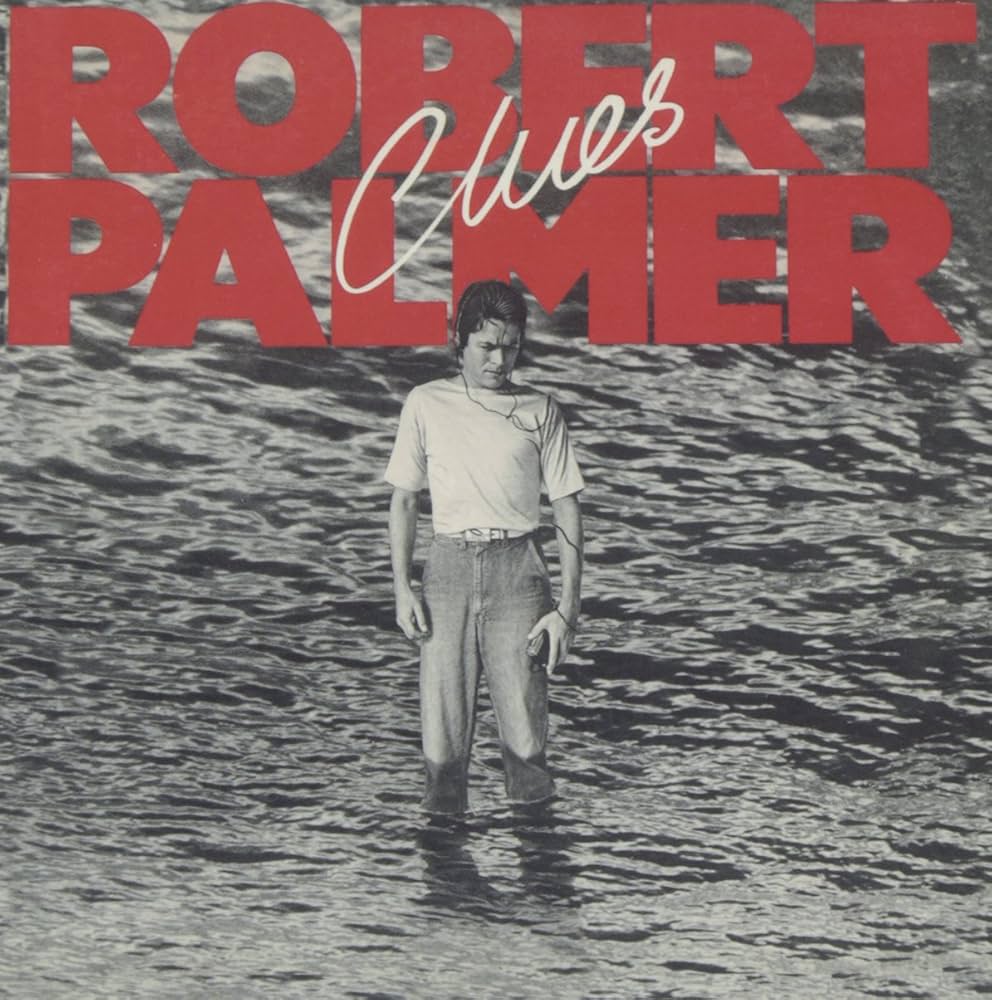
Like many of his peers, Robert Palmer saw a shift happening in the most popular rock albums that were being released at the end of the 1970s. Four piece bands were slowly dissolving into a thing of the past, and it was becoming more and more common to include heavy doses of synthesizers in mainstream rock records. In the early days of his career, Palmer pulled heavily from R&B influences, which cemented him as one of the prime examples of the blue-eyed soul sound that had been popularized by Daryl Hall and John Oates throughout the decade. And while his albums had done well both critically and commercially, and he certainly had a loyal following, he hadn’t quite yet crossed the threshold into pop superstardom.
For Clues, Palmer decided to embrace new wave and learn to love the synthesizer. And he didn’t just lean into the genre itself, but also brought in some of its biggest stars for collaboration. After just recently playing percussion on Talking Heads’ Remain in Light (which undoubtedly had an influence on Palmer’s musical shift), he invited Heads’ drummer Chris Frantz to the studio to contribute to his new record. And even more notably, Palmer recognized the genius of Gary Numan and relied on him heavily for the album. Not only did Numan co-write “Found You Now,” but Palmer would cover his song from earlier that year, “I Dream Of Wires,” which would also feature Numan on keyboard. The results of this shift spoke for themselves, with the album receiving critical praise and charting in both the U.S. and Europe.

Palmer (left) and his cigarette (right)
The lead single from the album, “Looking for Clues,” features an up-tempo, synthy sound common in many new wave songs of the time, but also distinguishes itself with a unique xylophone solo and paranoia-laced lyrics, with Palmer lamenting that he’s “frightened by the sound of the telephone” and “worried that the caller might have awful news.” The bizarre music video (which actually aired on MTV’s first day of broadcasting) includes Palmer hopping around gigantic toys and objects in a white void, a magnifying glass zoomed in on his mouth, and even a dancing skeleton – undoubtedly contributing to the popularity of the song and album as a whole. Palmer tackles the theme of failed relationships throughout the record – most notably with “Johnny and Mary,” which is not only my favorite on the album, but possibly his entire discography. In addition to covering “I Dream Of Wires” (which I actually like more than the original despite being a big fan of Numan), Palmer also includes a fantastic rendition of the Beatles’ “Not a Second Time.” Aside from the fact that it takes guts to cover the GOATs in any fashion, Palmer ups the ante by adding his own verse, which fits in perfectly with the Lennon/McCartney original. Elsewhere on the album, there are a number of solid new wave songs and classic rock staples – but the most underrated track comes with “Woke Up Laughing” (which I actually heard for the first time watching Pineapple Express as a teenager). The song’s sweet lyrics are accompanied by the use of a mbira (a plucked thumb piano that originated in Zimbabwe), and somehow sounds completely different from the rest of the track list while also fitting in perfectly with the album as a whole.

Stills from “Looking for Clues” music video
For me, Clues is the pinnacle of the Palmer discography and truly showcases him at the peak of his powers. Despite the fact that I love his 70s blue-eyed soul and his mega hits of the mid- and late-80s, this one is by far my favorite. The record blends the rock and R&B sounds of the prior decade, the contemporary new wave feel of the time, and the pop perfection that he would achieve later in his career with mega hits like “Addicted to Love” and “Simply Irresistible.” And as a result, we get the best out of one of the most underrated performers and songwriters of the era, whose legacy doesn’t get the proper credit and recognition that it deserves.

 80 Albums of the 80s
Leave a comment